About Antiphellus
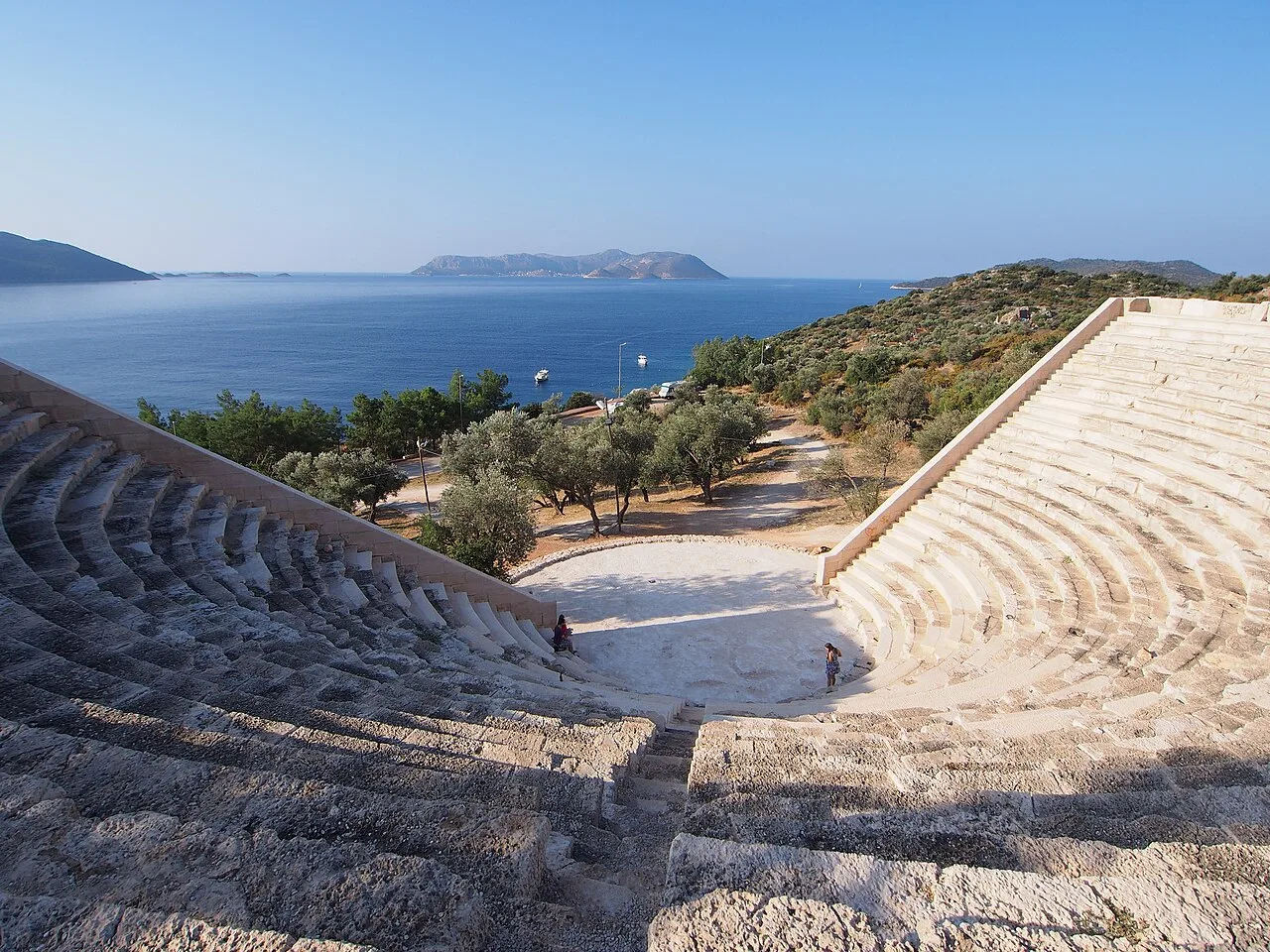
Antiphellus or Antiphellos (Turkish: Antifellos, Ancient Greek: Ἀντίφελλος), known originally as Habesos, was an ancient coastal city in Lycia. The earliest occurrence of its Greek name is on a 4th-century-BCE inscription. Initially settled by the Lycians, the city was occupied by the Persians during the 6th century BCE. It rose in importance under the Greeks, when it served as the port of the nearby inland city of Phellus, but once Phellus started to decline in importance, Antiphellus became the region's largest city, with the ability to mint its own coins. During the Roman period, Antiphellus received funds from the civic benefactor Opramoas of Rhodiapolis that may have been used to help rebuild the city following the earthquake that devastated the region in 141.
The Irish naval officer Sir Francis Beaufort discovered the site of the city in the 1820s, when it was deserted. During a visit in April 1840, the English archaeologist and explorer Charles Fellows noted the existence of over 100 stone tombs. Much of the city's archaeological remains has since been destroyed due to the growth of Kaş (formerly Andifili) during the modern period; most of the sarcophagi being destroyed when the local population used the flat-sided stones for building materials.
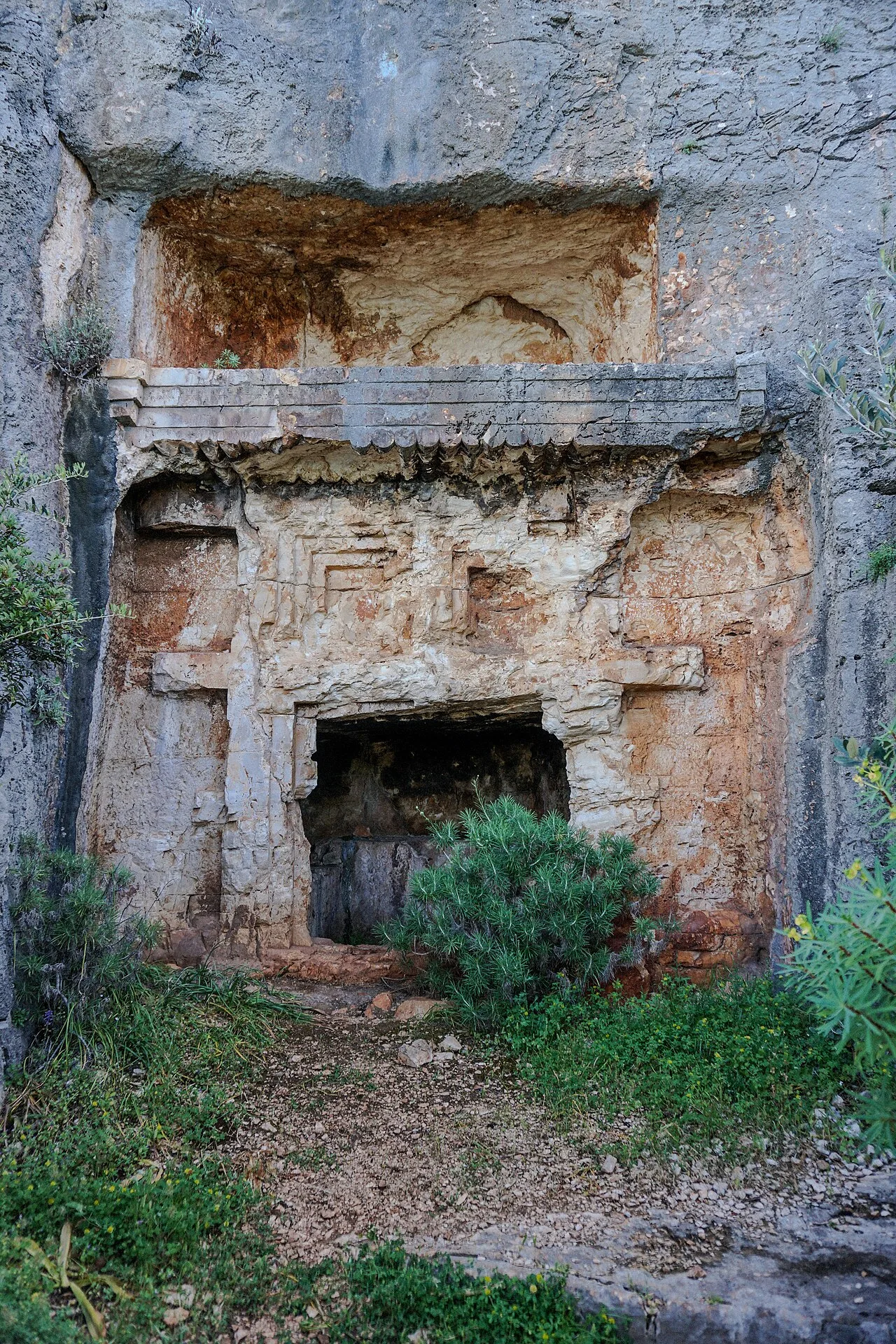
Surviving inscriptions written in the now extinct Lycian language date from the 4th century BCE. The restored Hellenistic amphitheatre at Antiphellus, originally built to seat 4000 spectators, and still largely complete, never possessed a permanent stone stage. Surviving ruins visible on the ground include the 4th century BCE Doric Tomb, which has a 1.9 metres (6 ft 3 in) high entrance and a chamber decorated with a relief of dancing girls; the King's Tomb, located in the centre of the modern town, which has a uniquely written and as yet untranslated Lycian inscription; a small 1st century BCE temple; rock tombs set in cliffs above the modern town; and parts of the city's ancient sea wall.
This description is taken from Wikipedia and published under the CC BY-SA 4.0 licence. Antiphellus
Location and Access
Antiphellus is located in Antalya. Coordinates are 36.20000, 29.63833. You can get directions from the map below. You can request a licensed local guide for Antalya.
Places to Visit Near Antiphellus
 Religious Sites
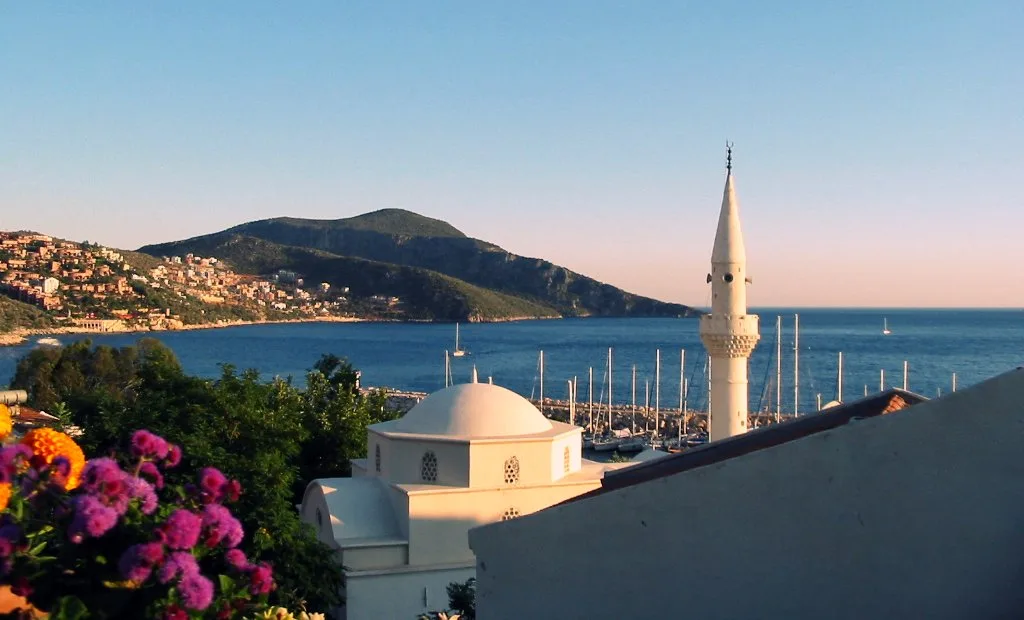
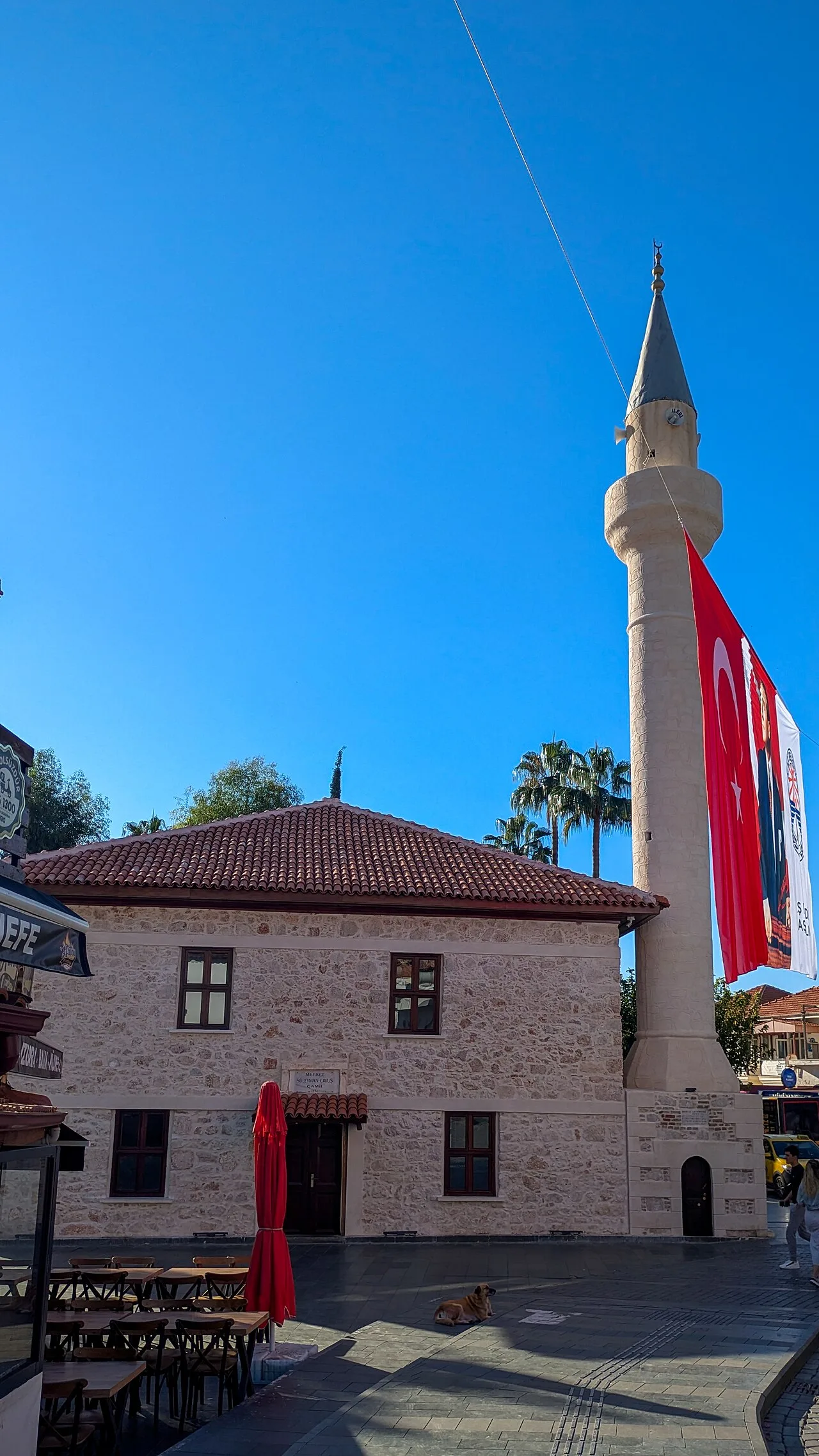
New Mosque, Kaş
 Religious Sites
 Historical Places
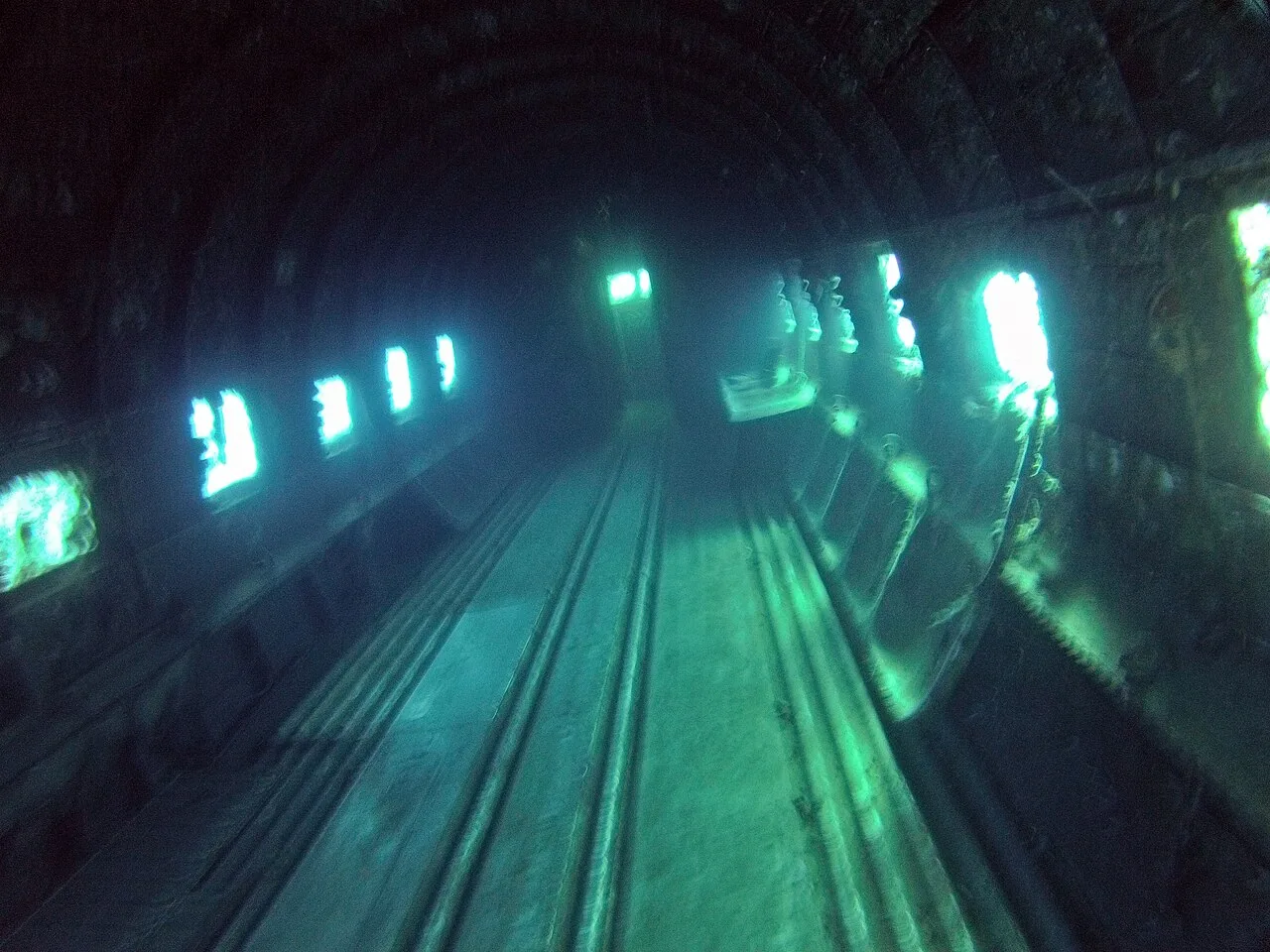
C-47 Skytrain Wreck, Kaş
 Historical Places
Sebeda
 Historical Places
 Religious Sites
 Historical Places
Phellus
 Historical Places
Historical Places in Antalya
 Historical Places
Nisa
 Historical Places
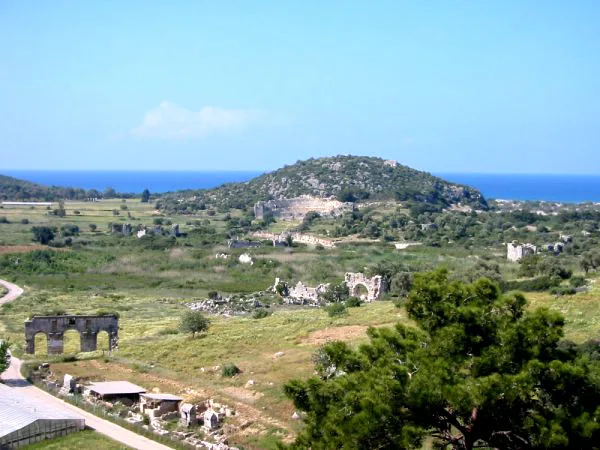
Patara
 Historical Places
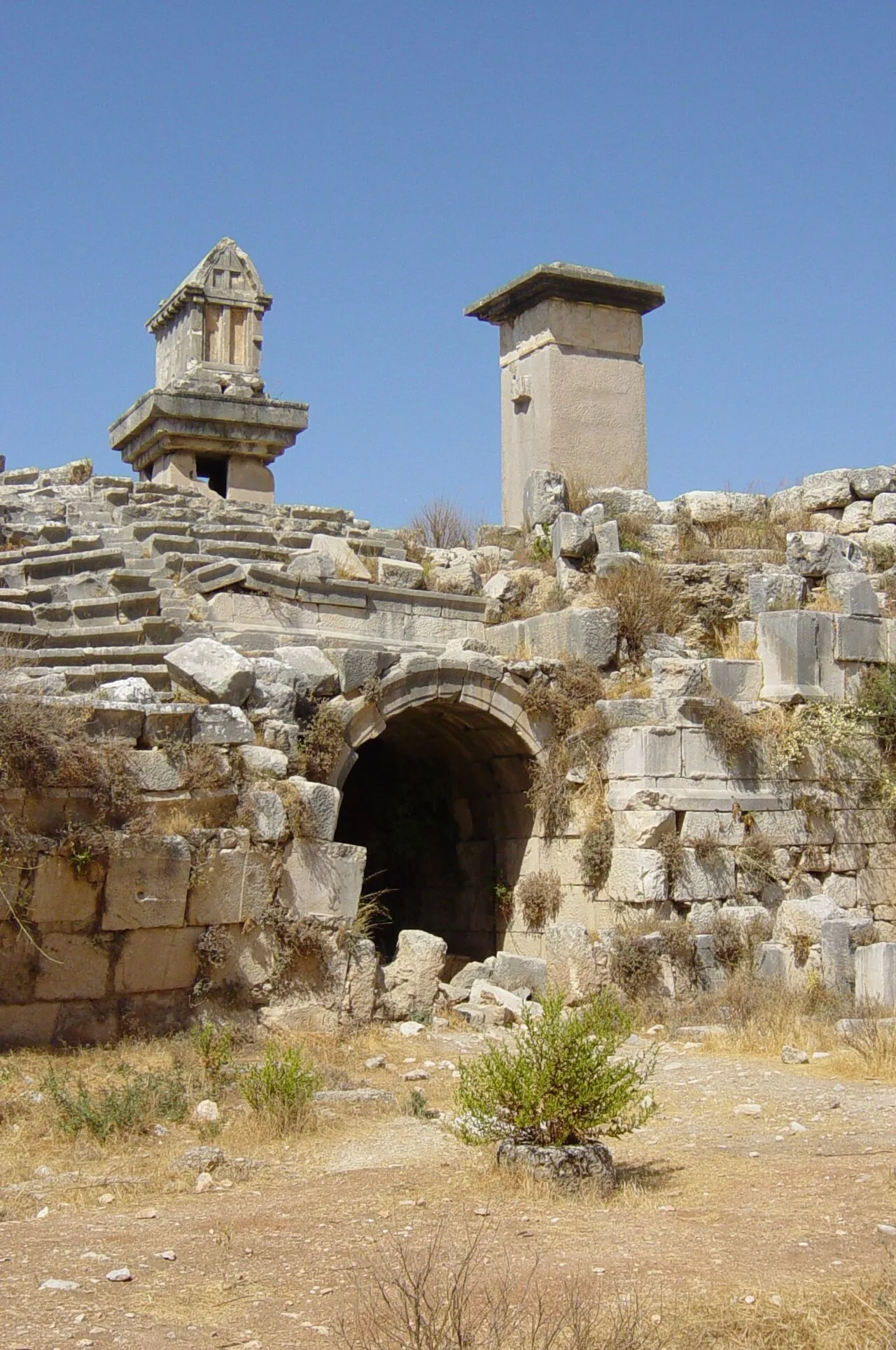
Xanthos
 Historical Places
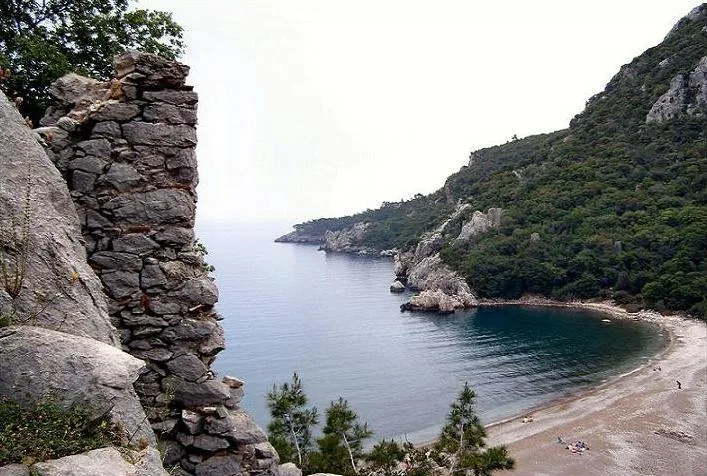
Olympos
 Historical Places
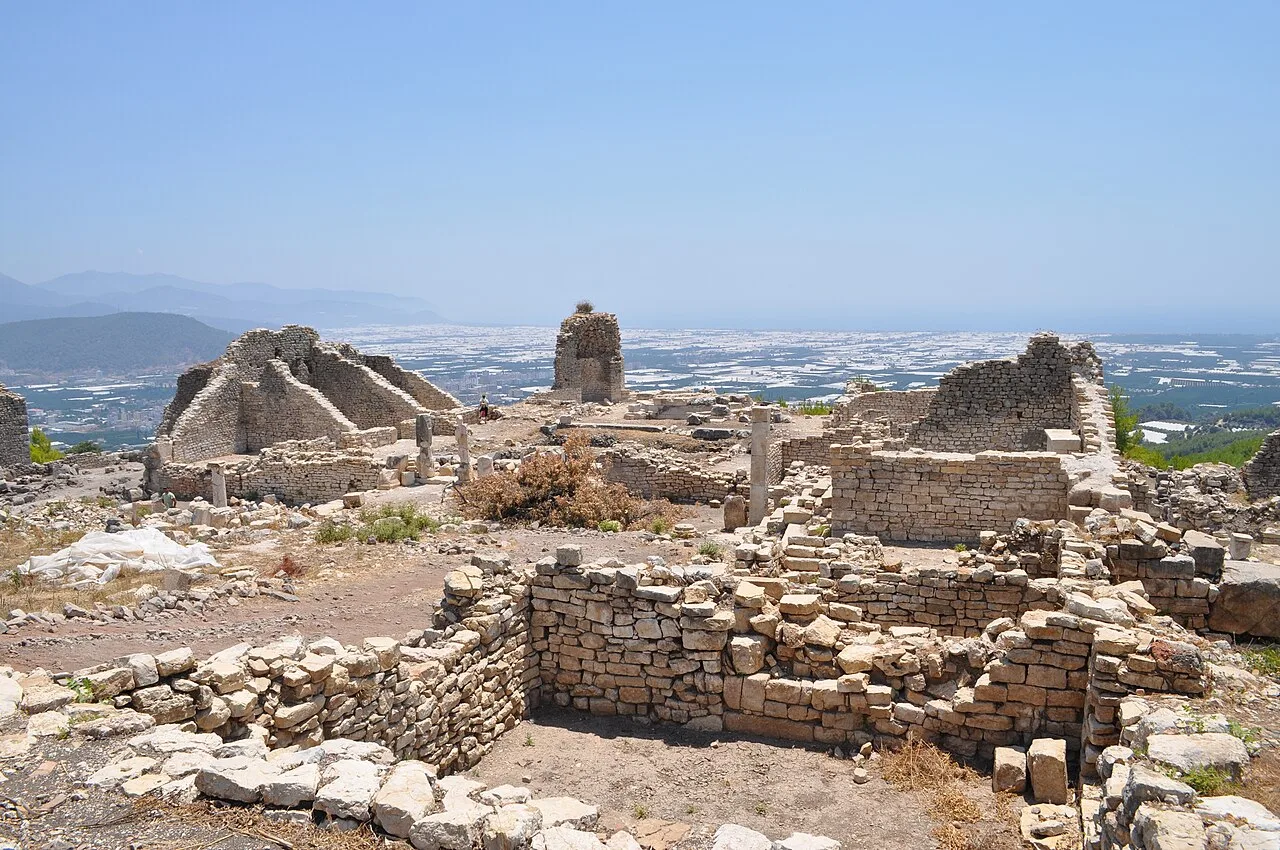
Rhodiopolis
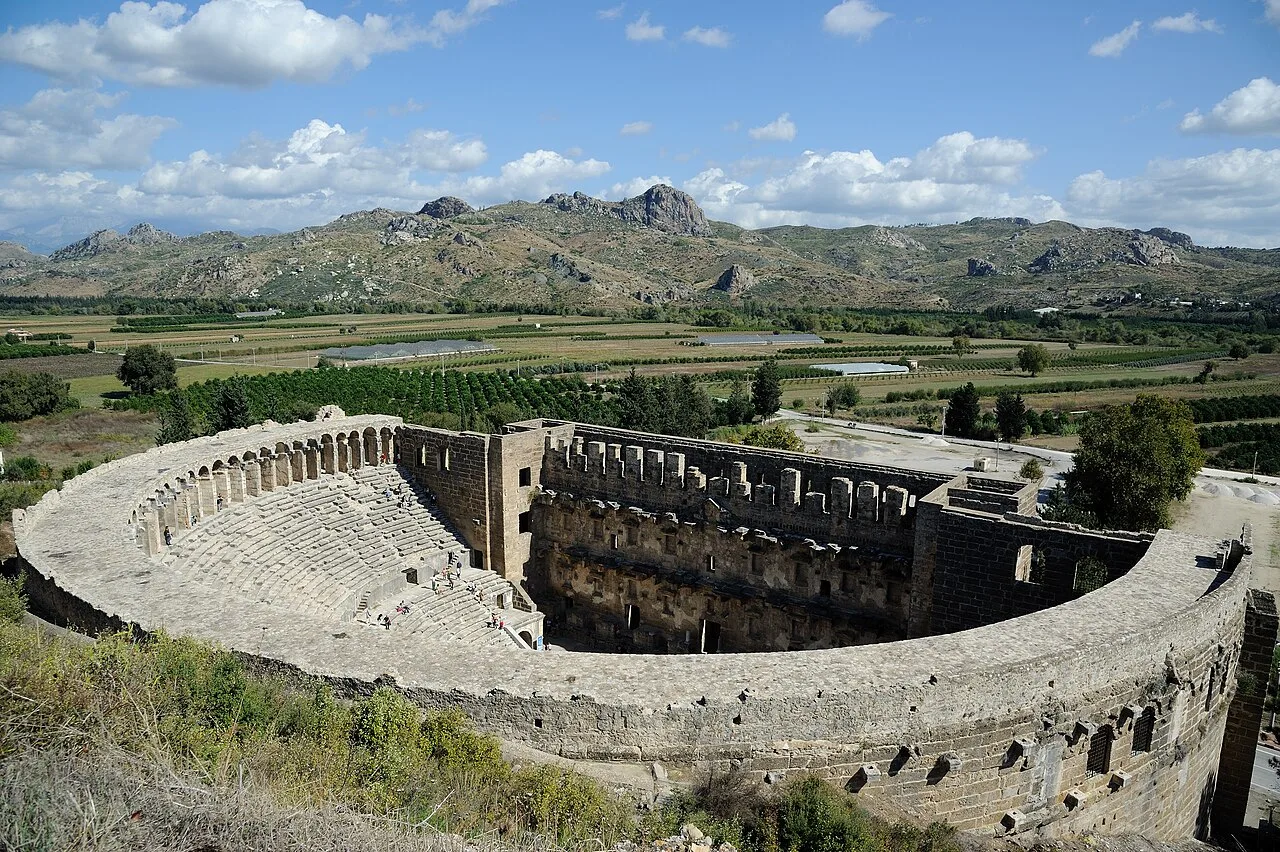 Historical Places
Aspendos
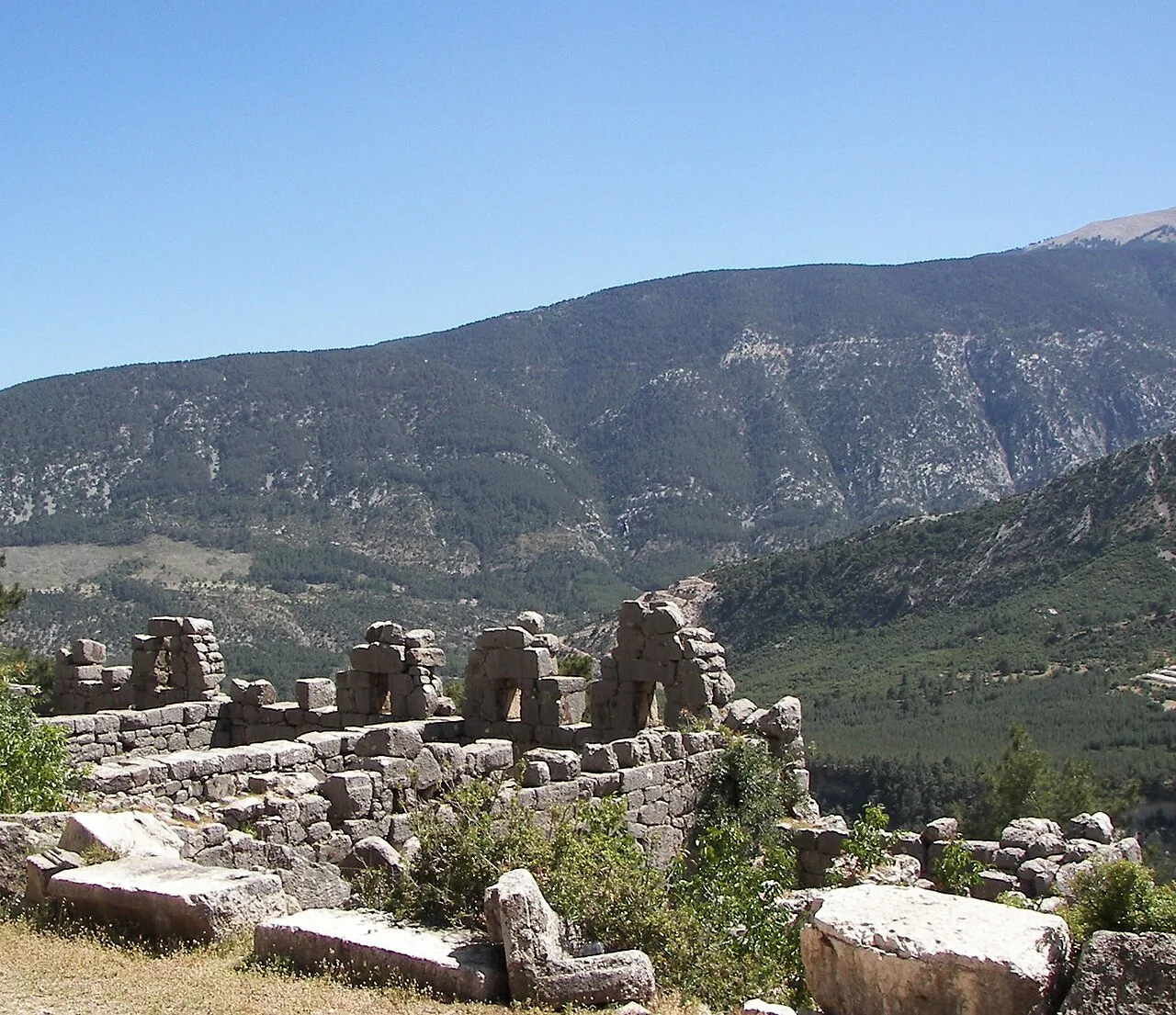 Historical Places
Arycanda
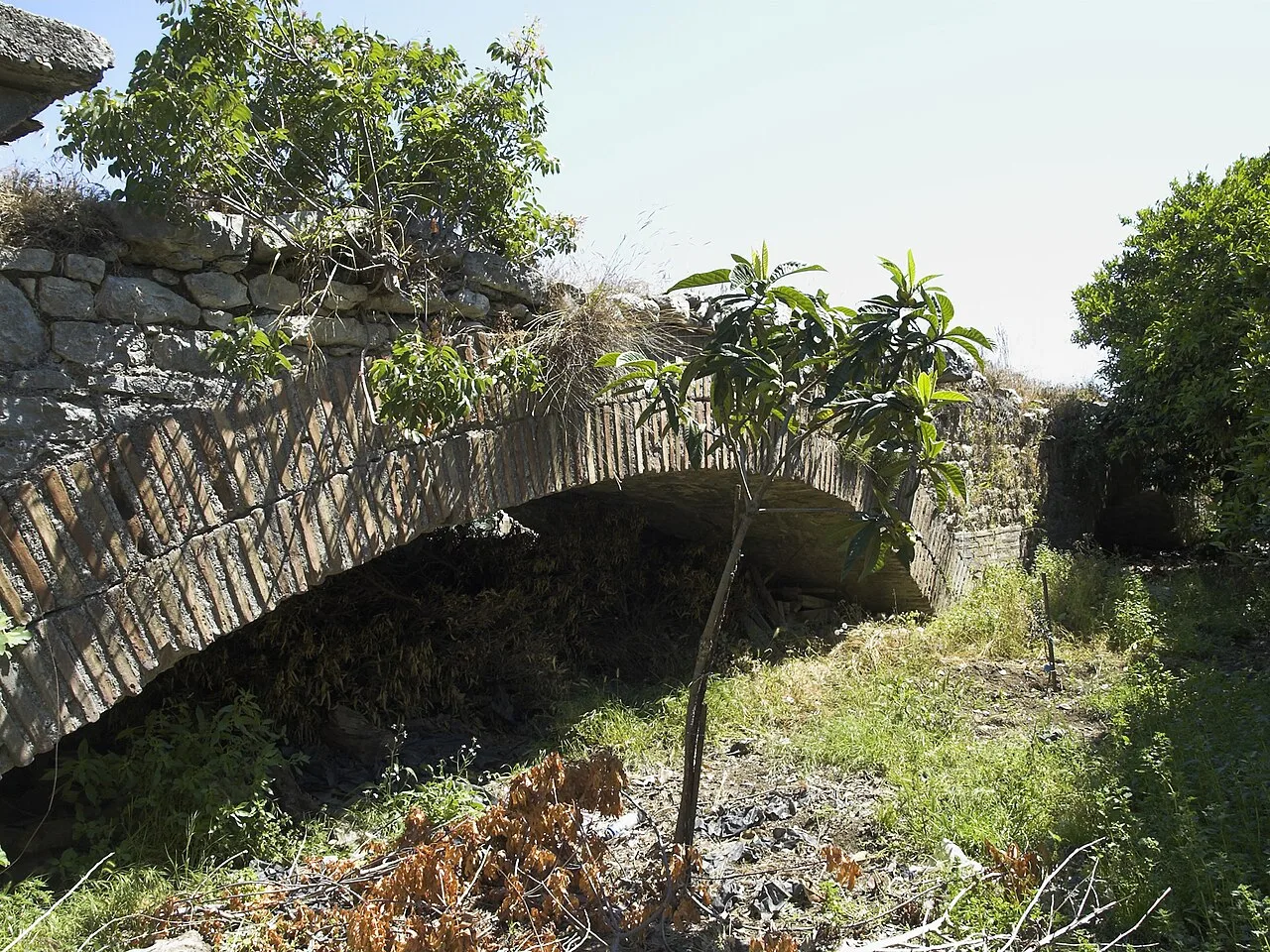 Historical Places
Limyra
Frequently Asked Questions
Quick Facts
- Province Antalya
- Category Historical Places
- Coordinates 36.20000, 29.63833
Request a Guided Tour
Visit Antiphellus with a licensed professional guide in Antalya.
See guides in Antalya