
About Paesus
Paesus or Paisos (Hittite: Apaššawa, Ancient Greek: Παισός), in the Trojan Battle Order in Homer's Iliad called Apaesus or Apaisos (Ἀπαισός), was a town and polis (city-state) on the coast of the ancient Troad, at the entrance of the Propontis, between Lampsacus and Parium. The city of Apaššawa from the Hittite documents is identified as Paesus. In the Iliad, Amphius, son of Selagus, was said to be from Paesus. At one period, it received colonists from Miletus. It suffered Persian occupation during the Ionian Revolt. In Strabo's time, the town was destroyed, and its inhabitants had transferred themselves to Lampsacus, which was likewise a Milesian colony. The town derived its name from the small river Paesus, on which it was situated. It was a member of the Delian League and appears in tribute lists of Athens between 453/2 and 430/29 BCE.
Its site is located 6 miles (9.7 km) northeast of Çardak, Asiatic Turkey.
This article incorporates text from a publication now in the public domain: Smith, William, ed. (1854–1857). "Paesus". Dictionary of Greek and Roman Geography. London: John Murray.
This description is taken from Wikipedia and published under the CC BY-SA 4.0 licence. Paesus
Location and Access
Paesus is located in Lapseki district, Çanakkale. Coordinates are 40.39525, 26.79082. You can get directions from the map below. You can request a licensed local guide for Çanakkale.
Places to Visit Near Paesus
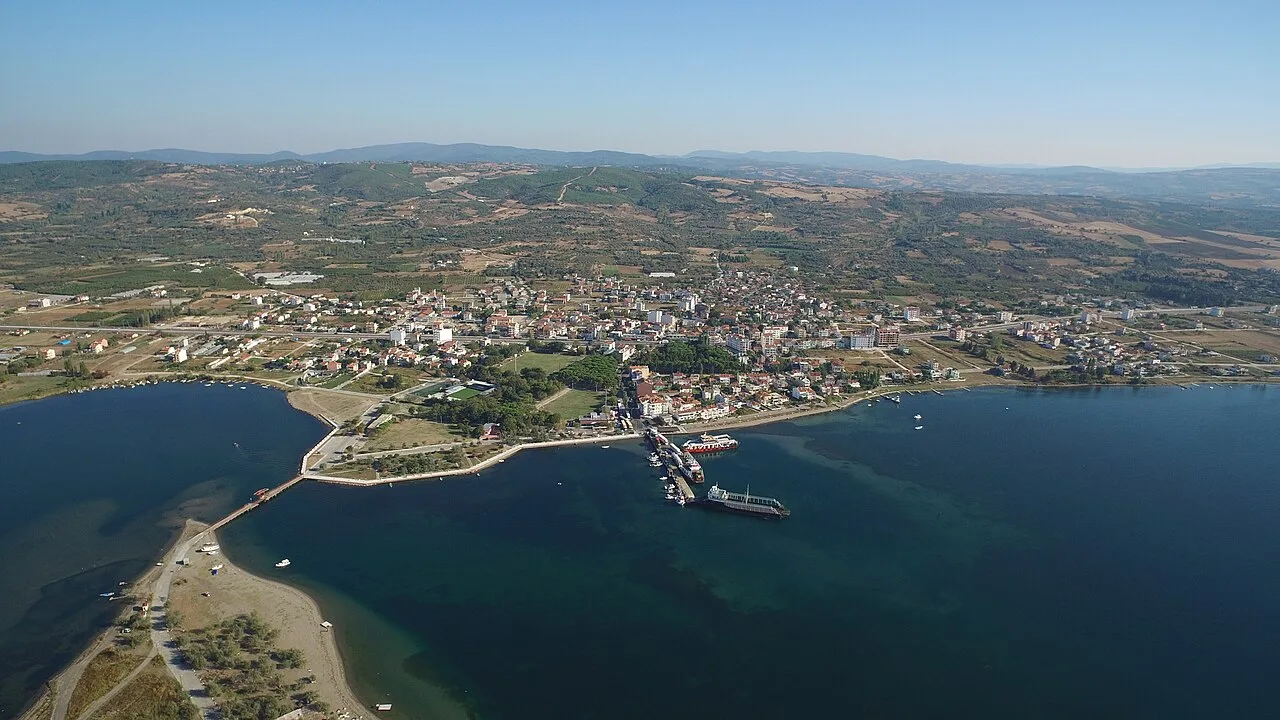 Historical Places
Abarnias
 Historical Places
Mecidiye Köyü Antik Taş Ocağı
 Historical Places
Taştepe Yerleşmesi
 Religious Sites
Alem Sultan Türbesi ve Namazgah
 Religious Sites
Gazi Yakup Bey Aile Haziresi
 Historical Places
Gazi Yakup Paşa Hanı
 Religious Sites
Gazi Yakup Bey Mosque
 Historical Places
Hamam (Çardak)
Historical Places in Çanakkale
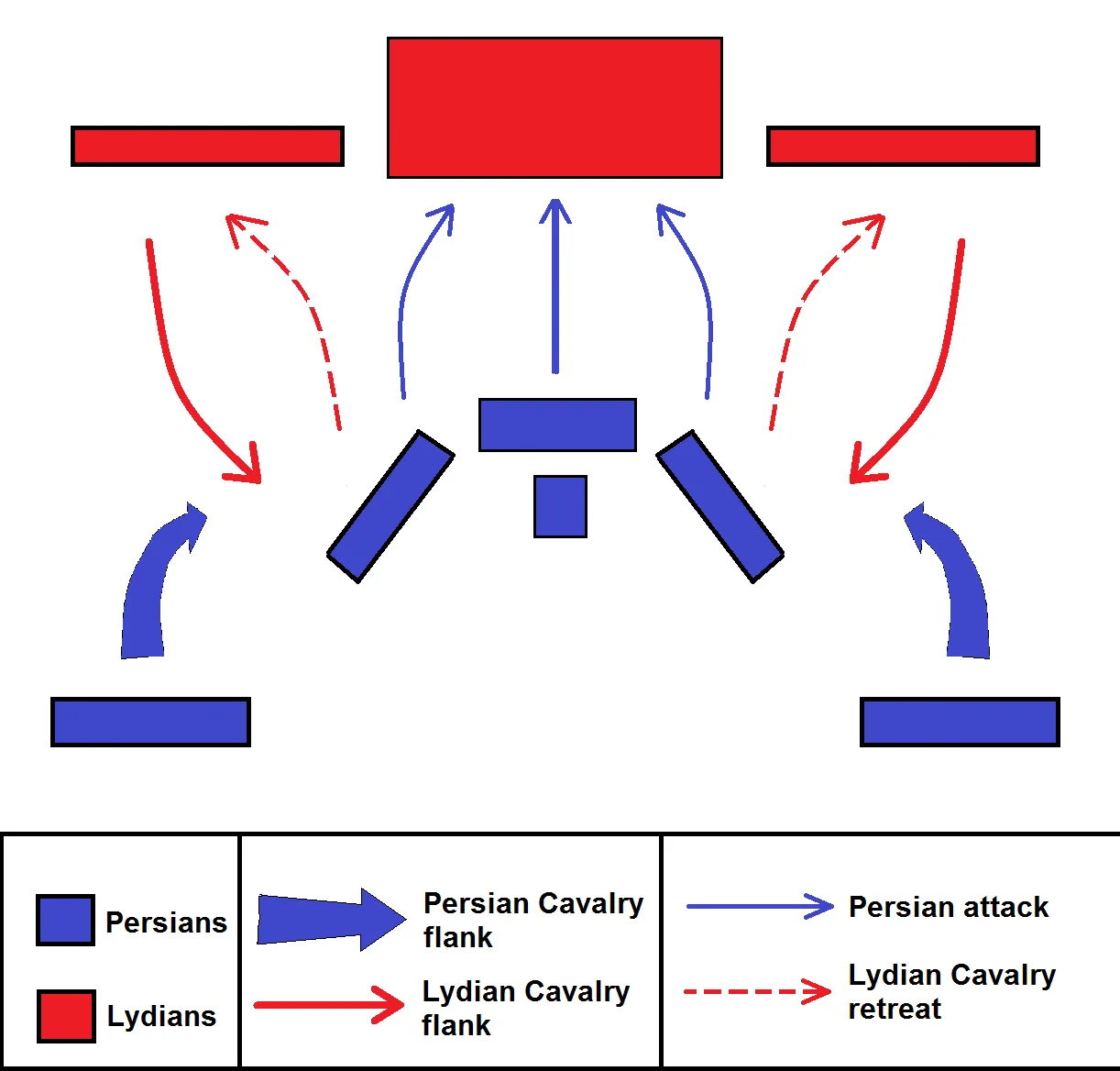 Historical Places
Thymbra
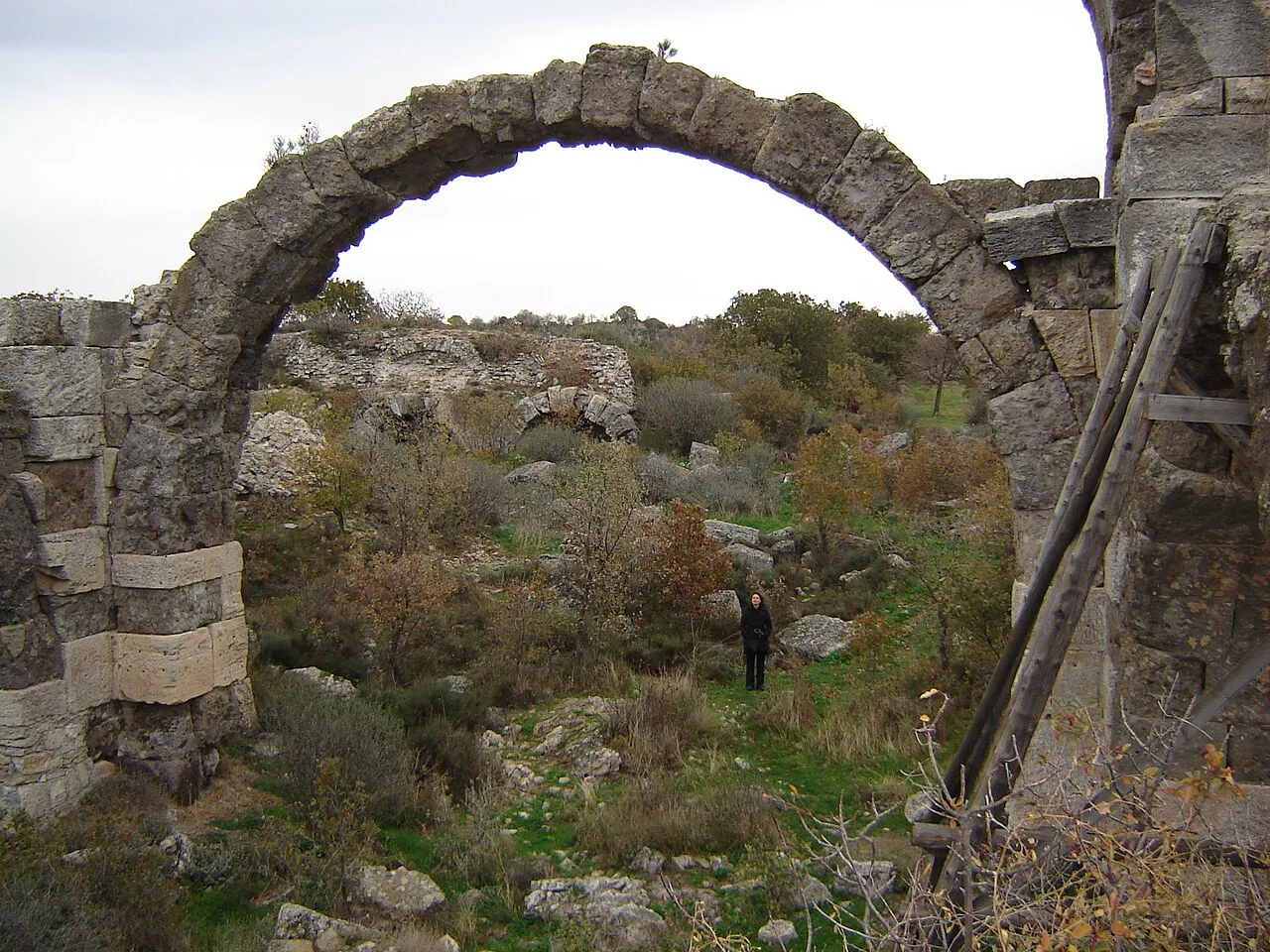 Historical Places
Alexandria Troas
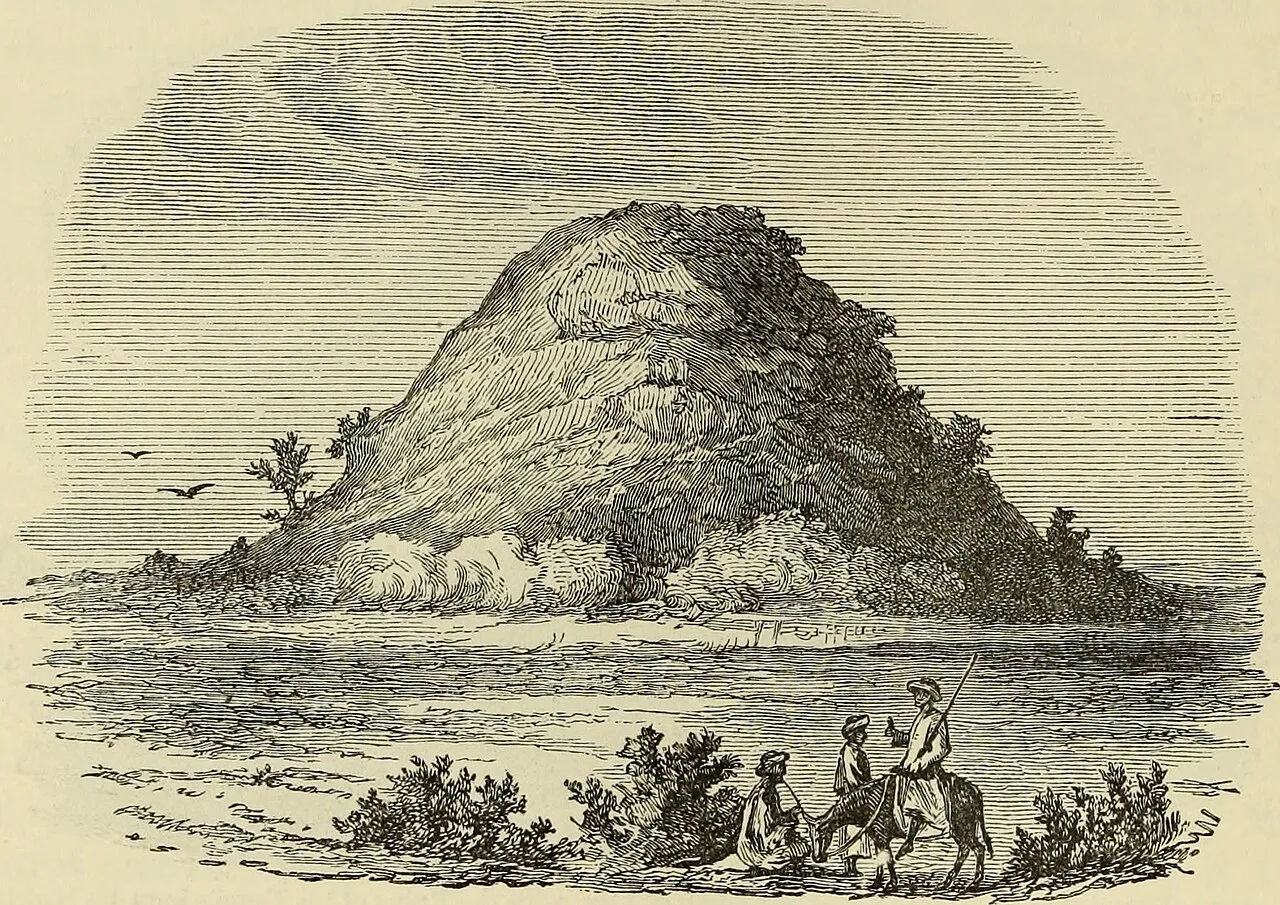 Historical Places
Achilleion
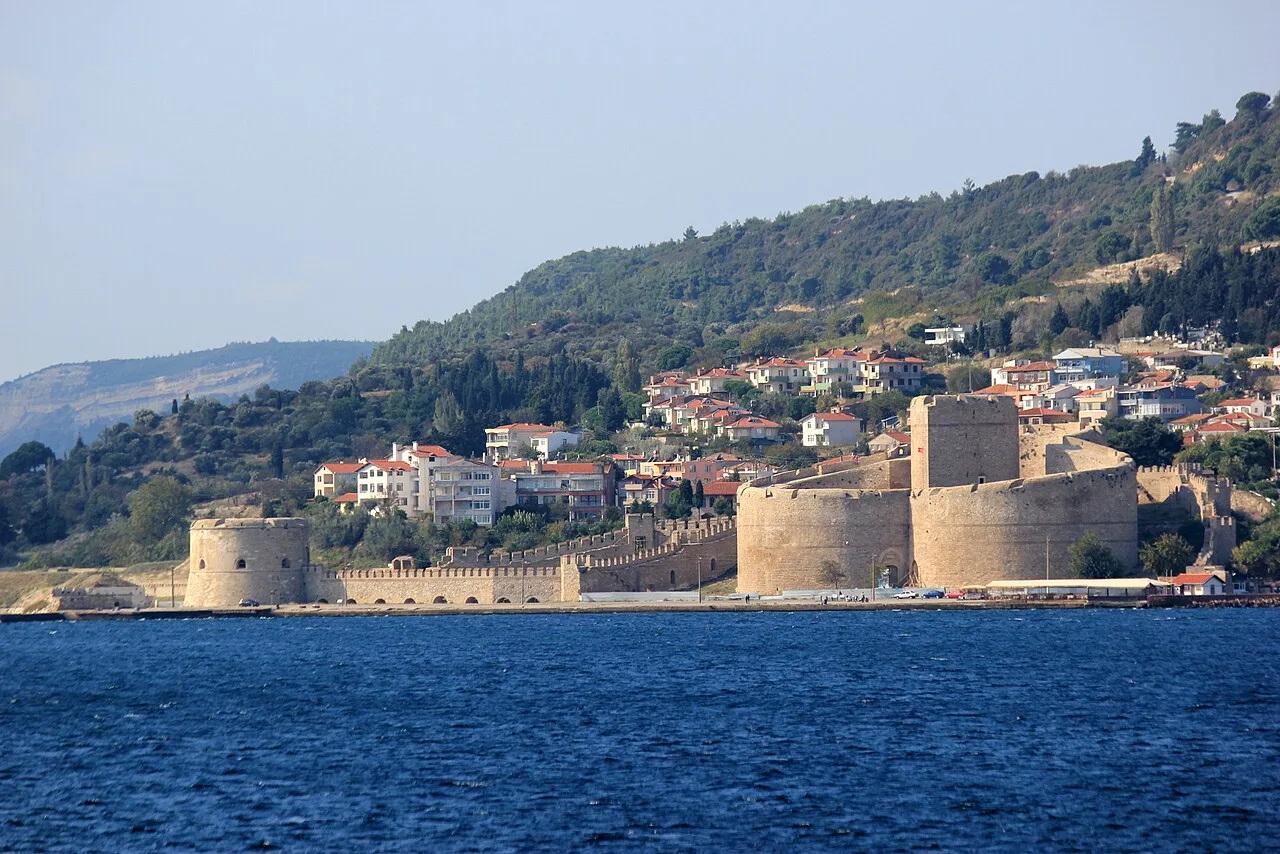 Historical Places
Kilitbahir Castle
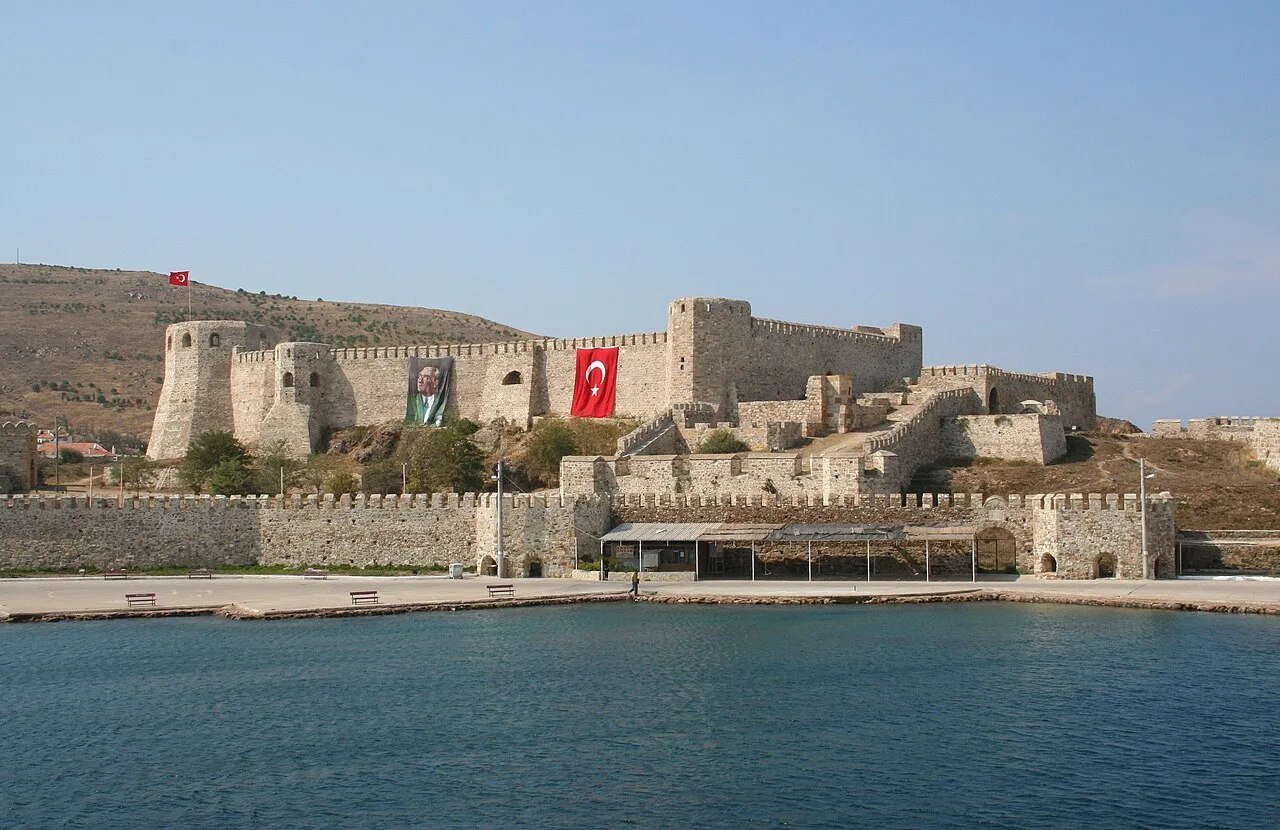 Historical Places
Bozcaada Castle
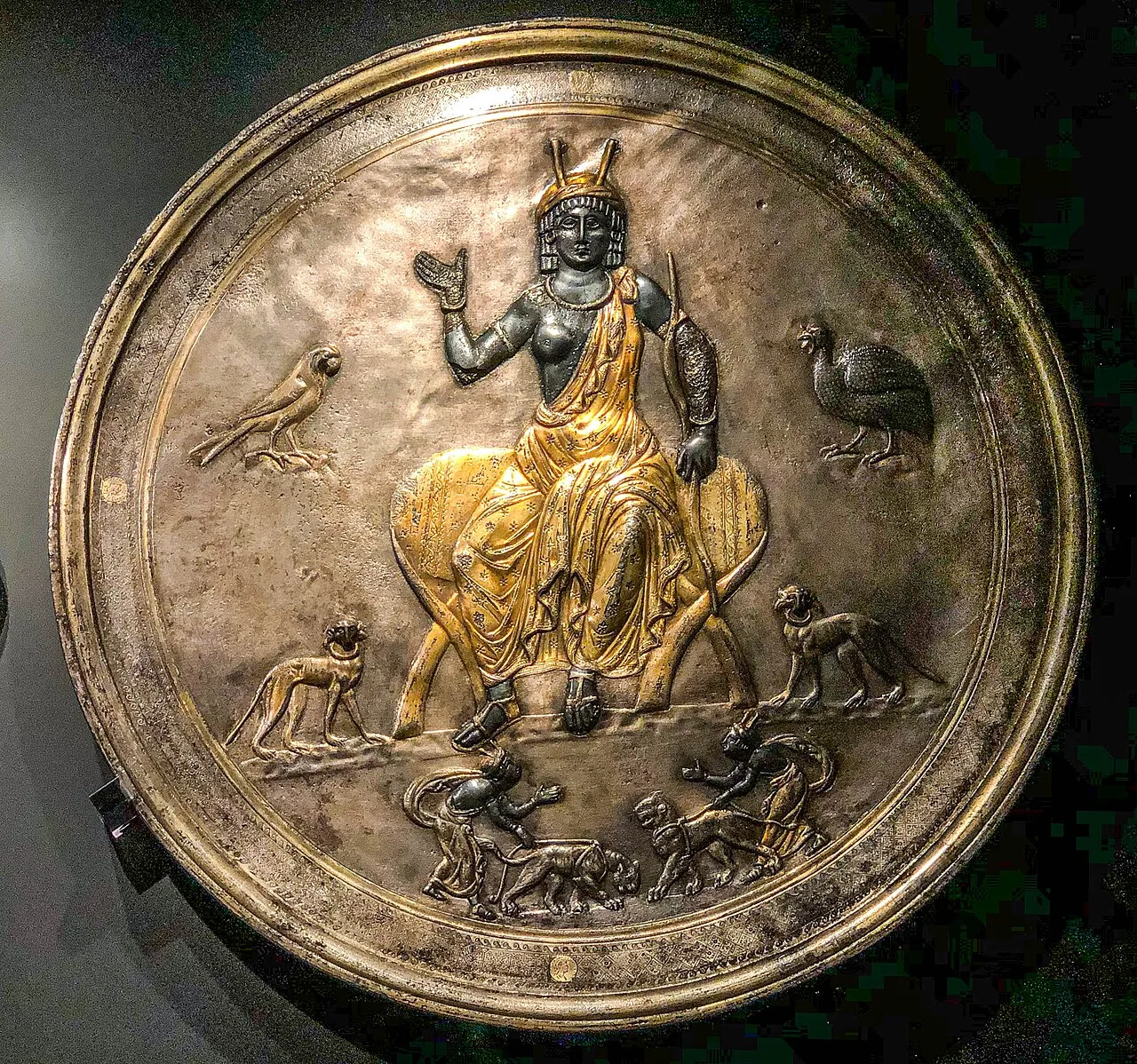 Historical Places
Lampsacus
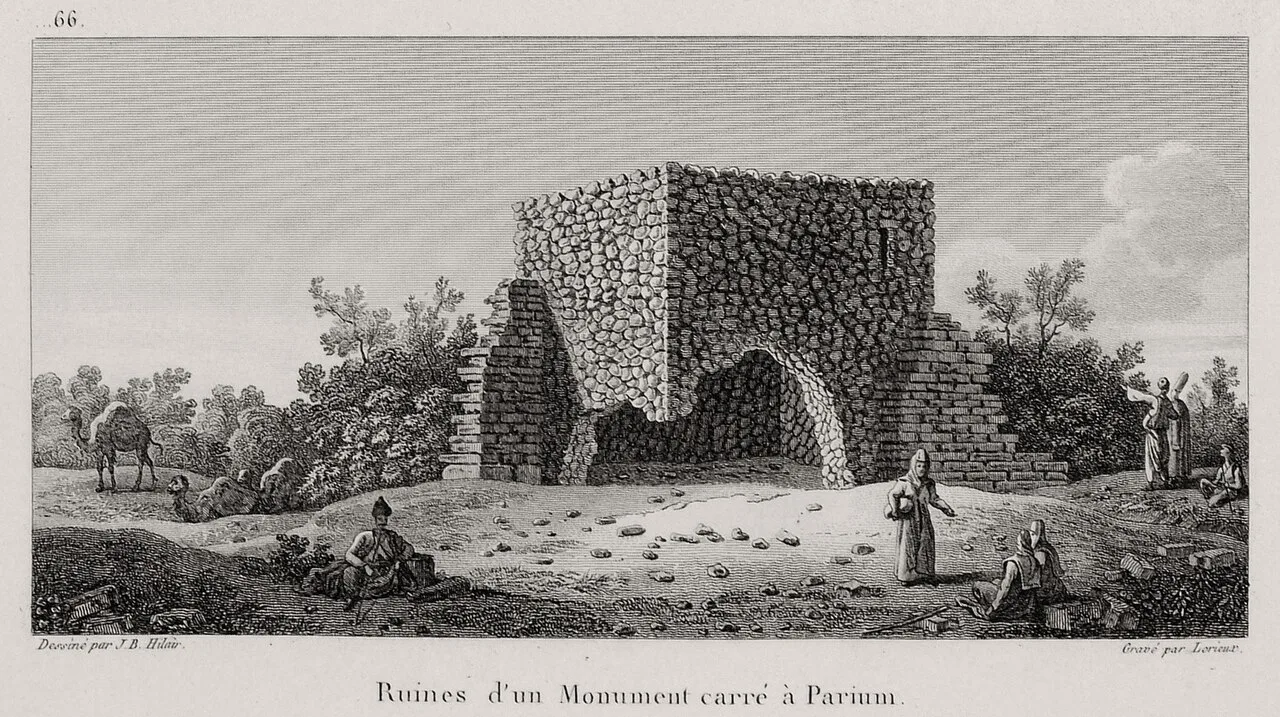 Historical Places
 Historical Places
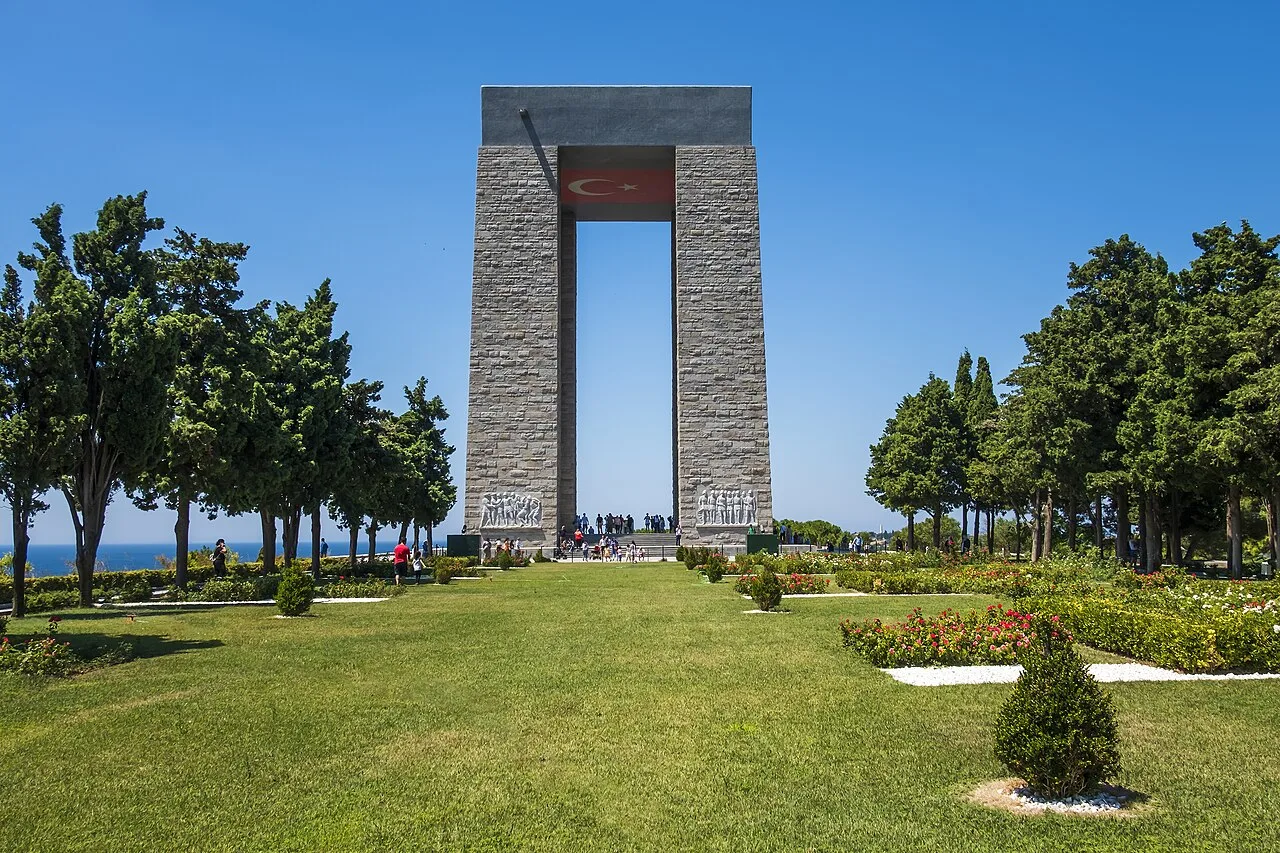
Çanakkale Martyrs Memorial
Frequently Asked Questions
Quick Facts
- Province Çanakkale
- District Lapseki
- Category Historical Places
- Coordinates 40.39525, 26.79082
Request a Guided Tour
Visit Paesus with a licensed professional guide in Çanakkale.
See guides in Çanakkale