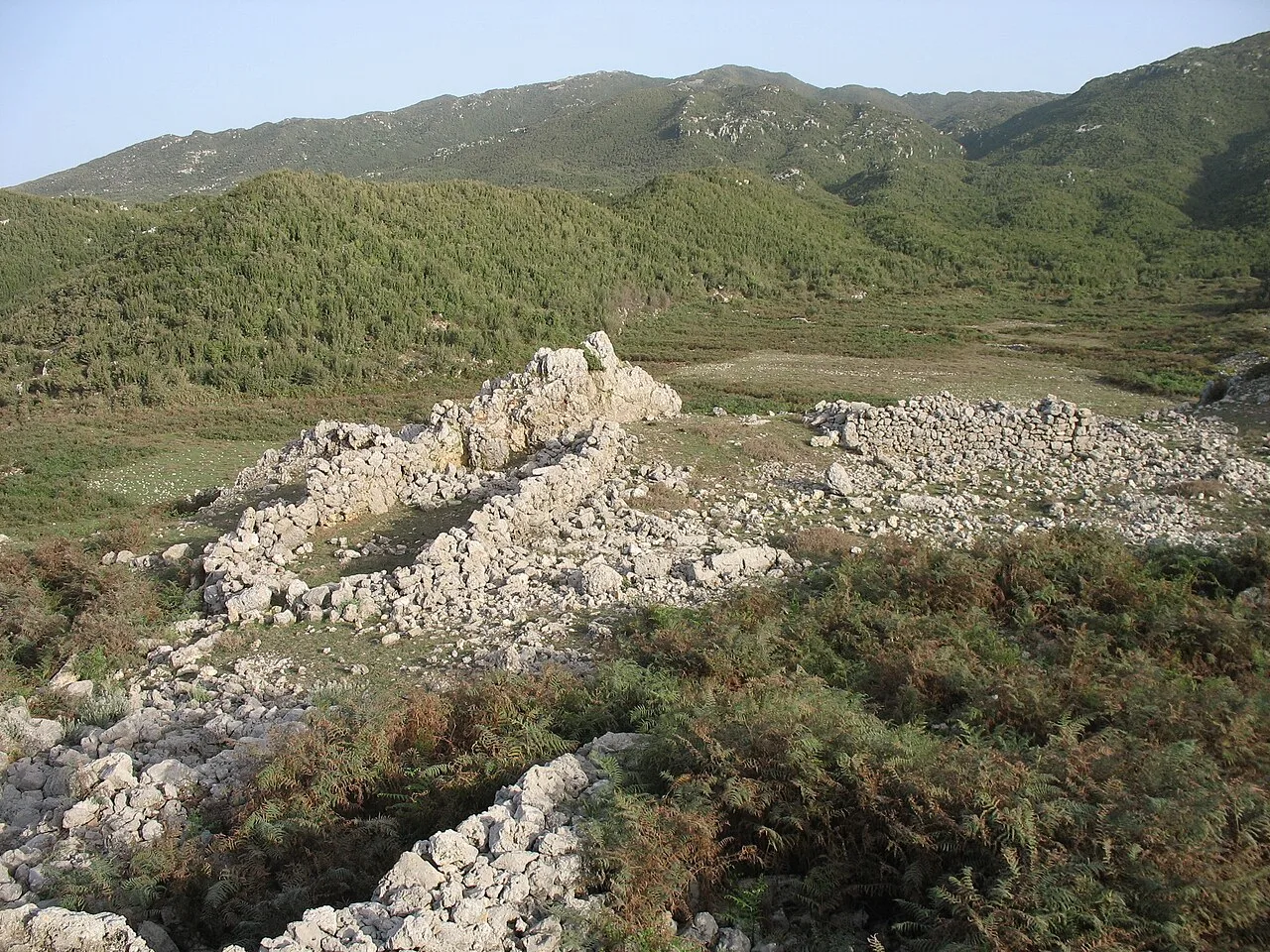
About Musa Dagh
Musa Dagh (Turkish: Musa Dağı; Armenian: Մուսա լեռ, romanized: Musa leṛ; Arabic: جبل موسى, romanized: Jebel Musa; meaning "Moses Mountain") is a mountain in the Hatay Province of Turkey. In 1915, it was the location of a successful Armenian resistance to the Armenian genocide, an event that inspired Franz Werfel to write the novel The Forty Days of Musa Dagh.
The deportation orders of the Armenian population of modern-day Turkey, issued by the Ottoman government, in July 1915 reached the six Armenian villages of the Musa Dagh region: Kabusie, Yoghunolukh, Bitias,, Vakef, Khederbeg, and Haji-Habibli. As Ottoman Turkish forces converged upon the town, the populace, aware of the impending danger, refused deportation and fell back upon Musa mountain, thwarting assaults for fifty-three days, from July to September 1915. One of the leaders of the revolt was Movses Der Kalusdian, whose Armenian first name was the same as that of the mountain. French warships of the 3rd Squadron in the Mediterranean under command of Vice Admiral Louis Dartige du Fournet, sighted the survivors just as ammunition and food provisions were running out. Five French ships, beginning with the protected...
This description is taken from Wikipedia and published under the CC BY-SA 4.0 licence. Musa Dagh
Location and Access
Musa Dagh is located in Hatay. Coordinates are 36.25833, 35.90361. You can get directions from the map below. You can request a licensed local guide for Hatay.
Places to Visit Near Musa Dagh
 Nature & Outdoors
 Nature & Outdoors
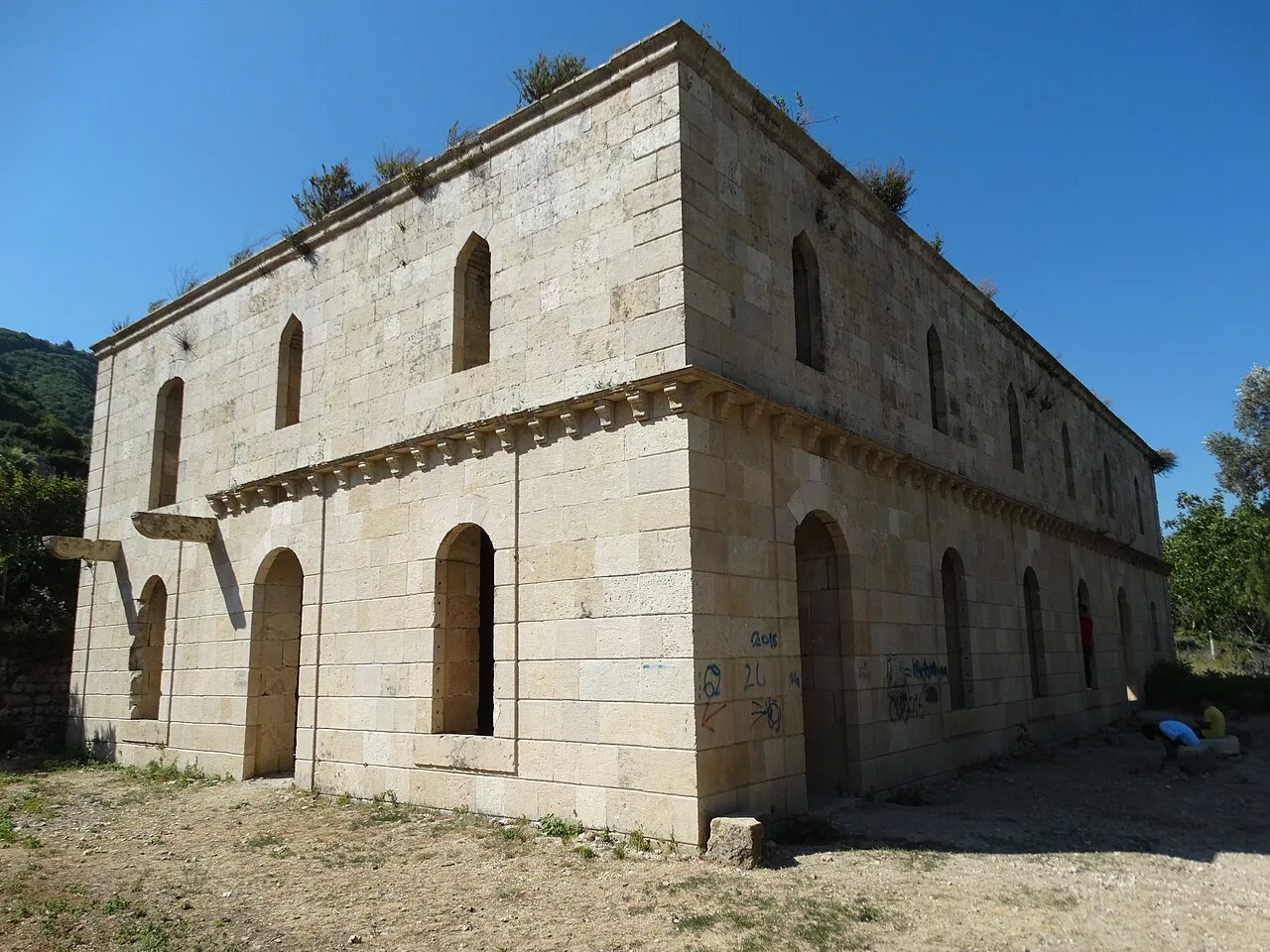 Religious Sites
Batıayaz Armenian Church
 Nature & Outdoors
 Nature & Outdoors
 Nature & Outdoors
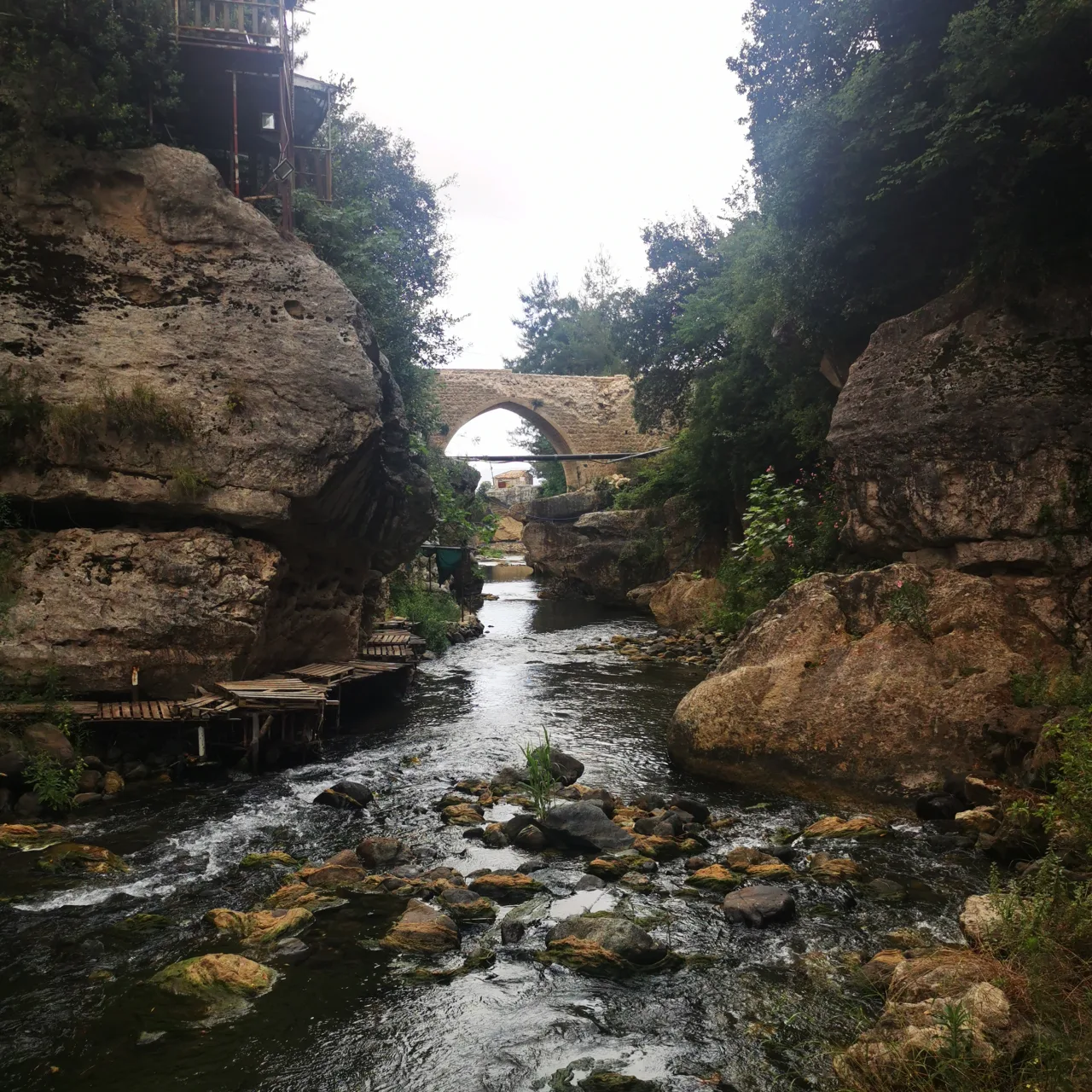 Historical Places
Westayaz Bridge
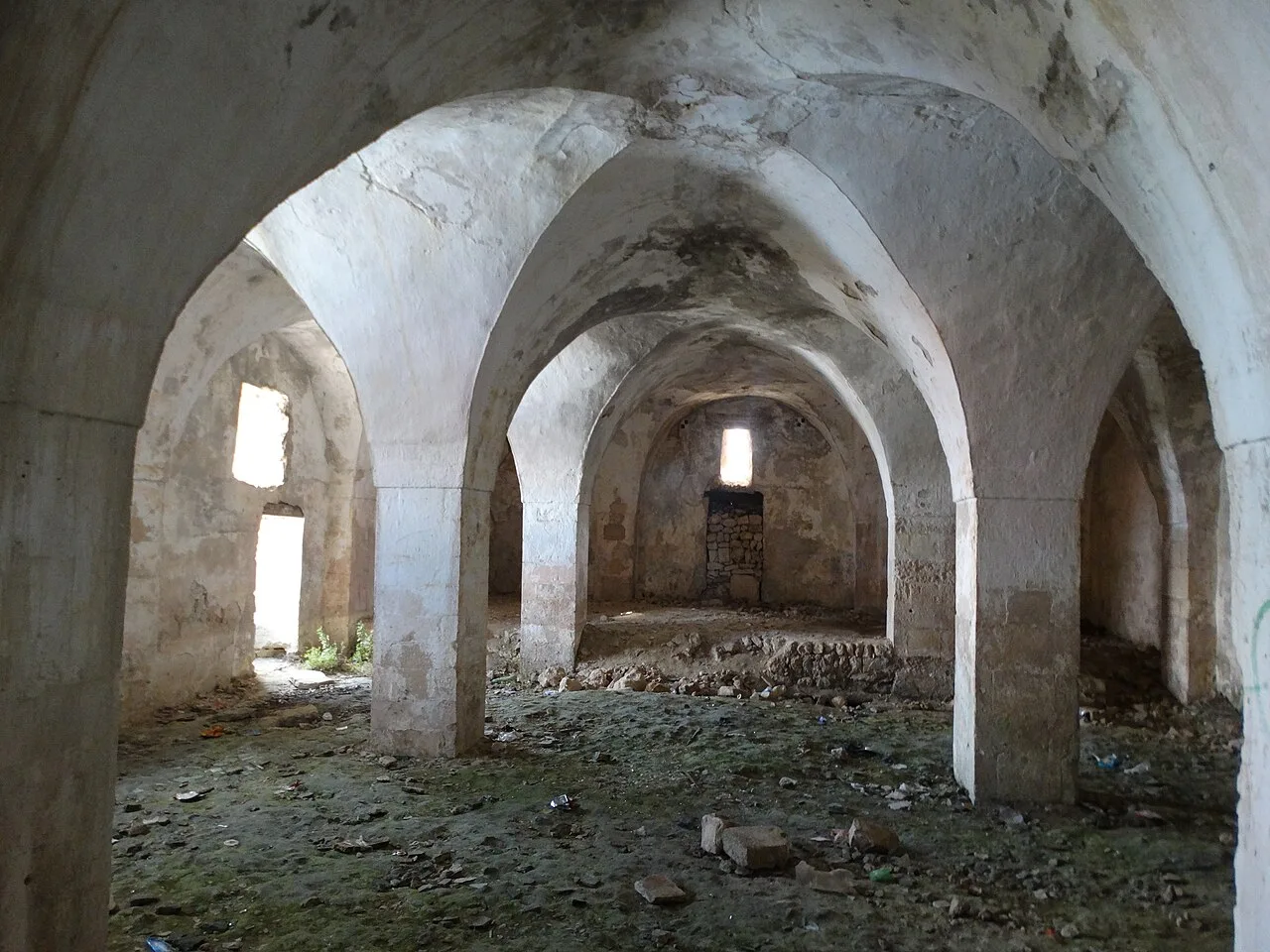 Religious Sites
Yoğunoluk Armenian Church
Nature & Outdoors in Hatay
 Nature & Outdoors
 Nature & Outdoors
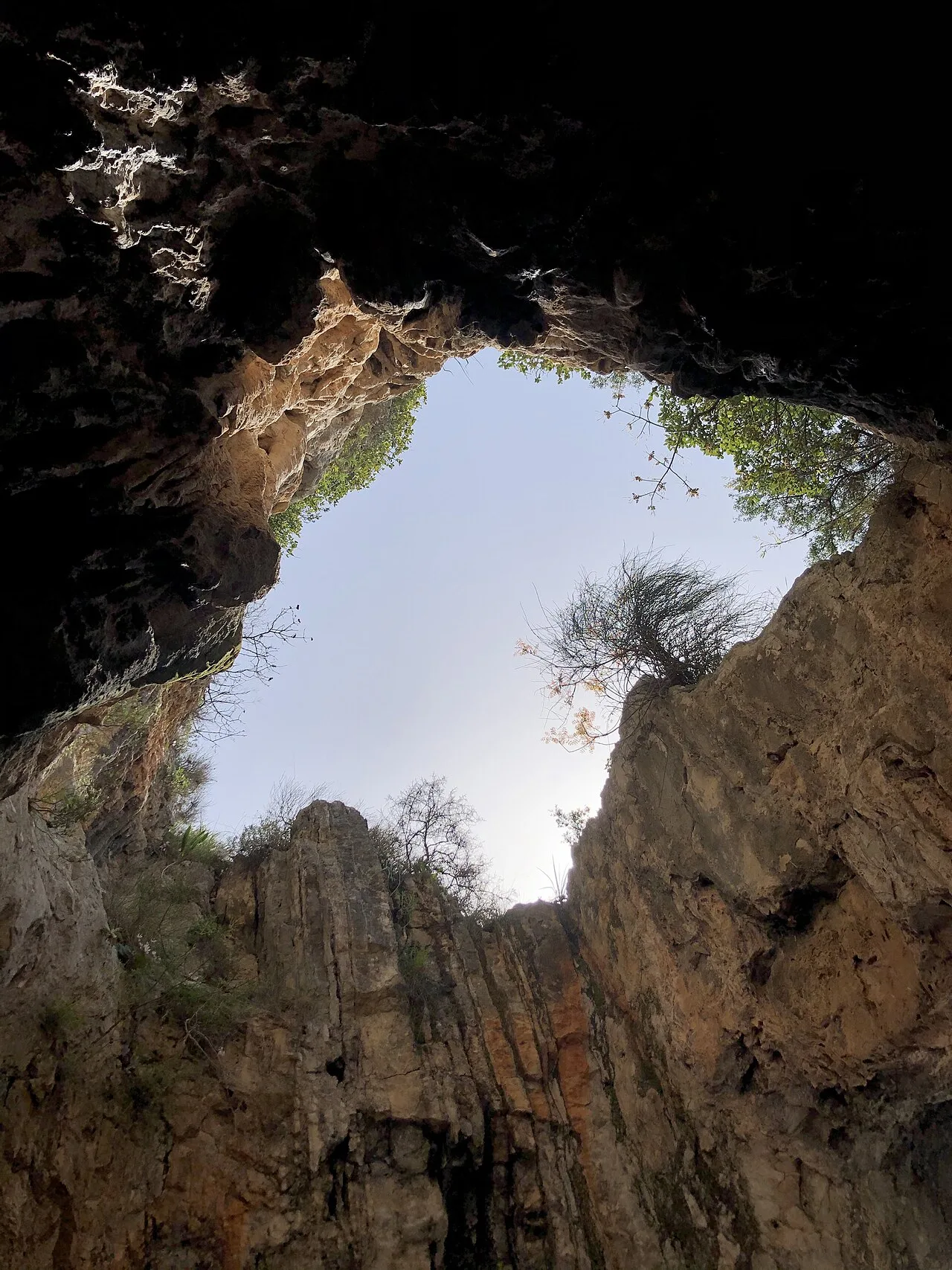 Nature & Outdoors
 Nature & Outdoors
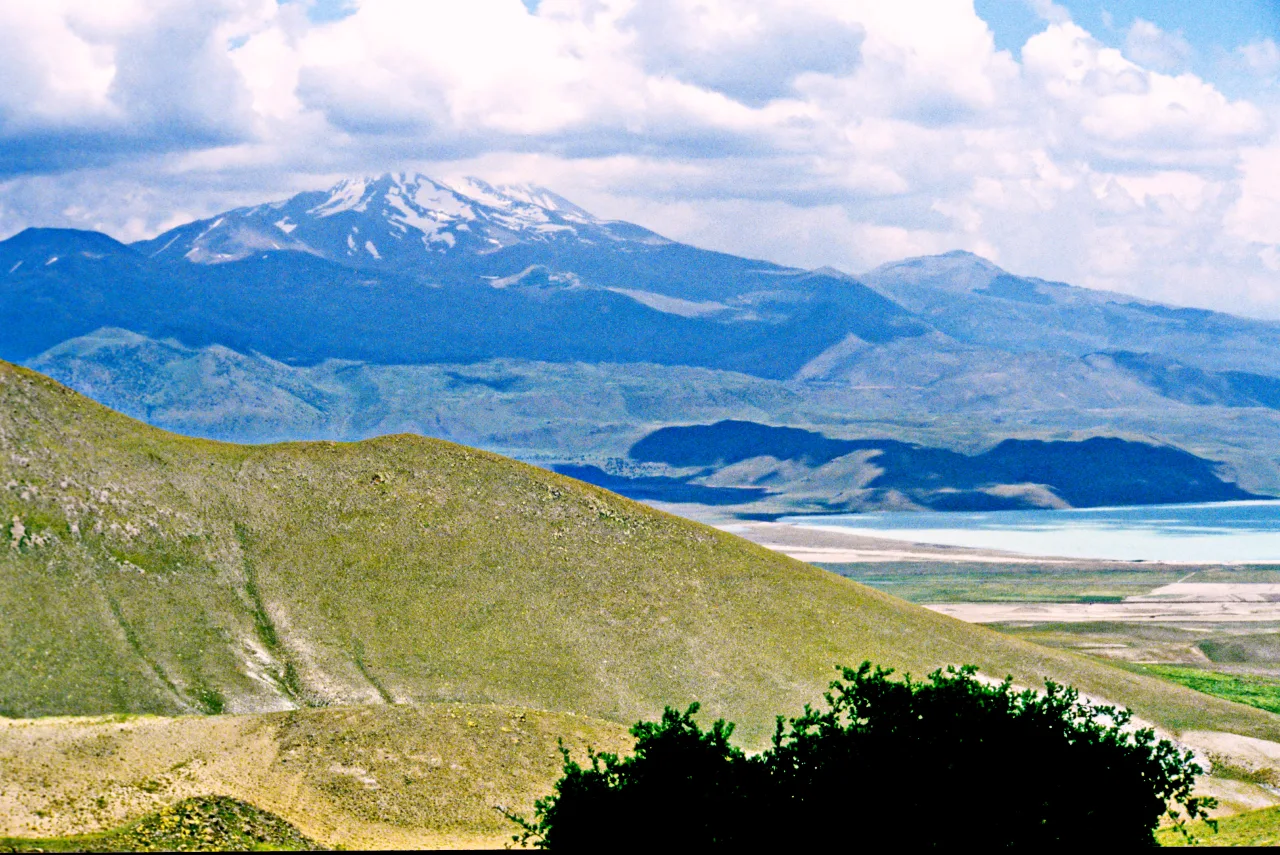 Nature & Outdoors
 Nature & Outdoors
Burnaz Plajı
 Nature & Outdoors
 Nature & Outdoors
Frequently Asked Questions
Quick Facts
- Province Hatay
- Category Nature & Outdoors
- Coordinates 36.25833, 35.90361
Request a Guided Tour
Visit Musa Dagh with a licensed professional guide in Hatay.
See guides in Hatay