About Karabel relief
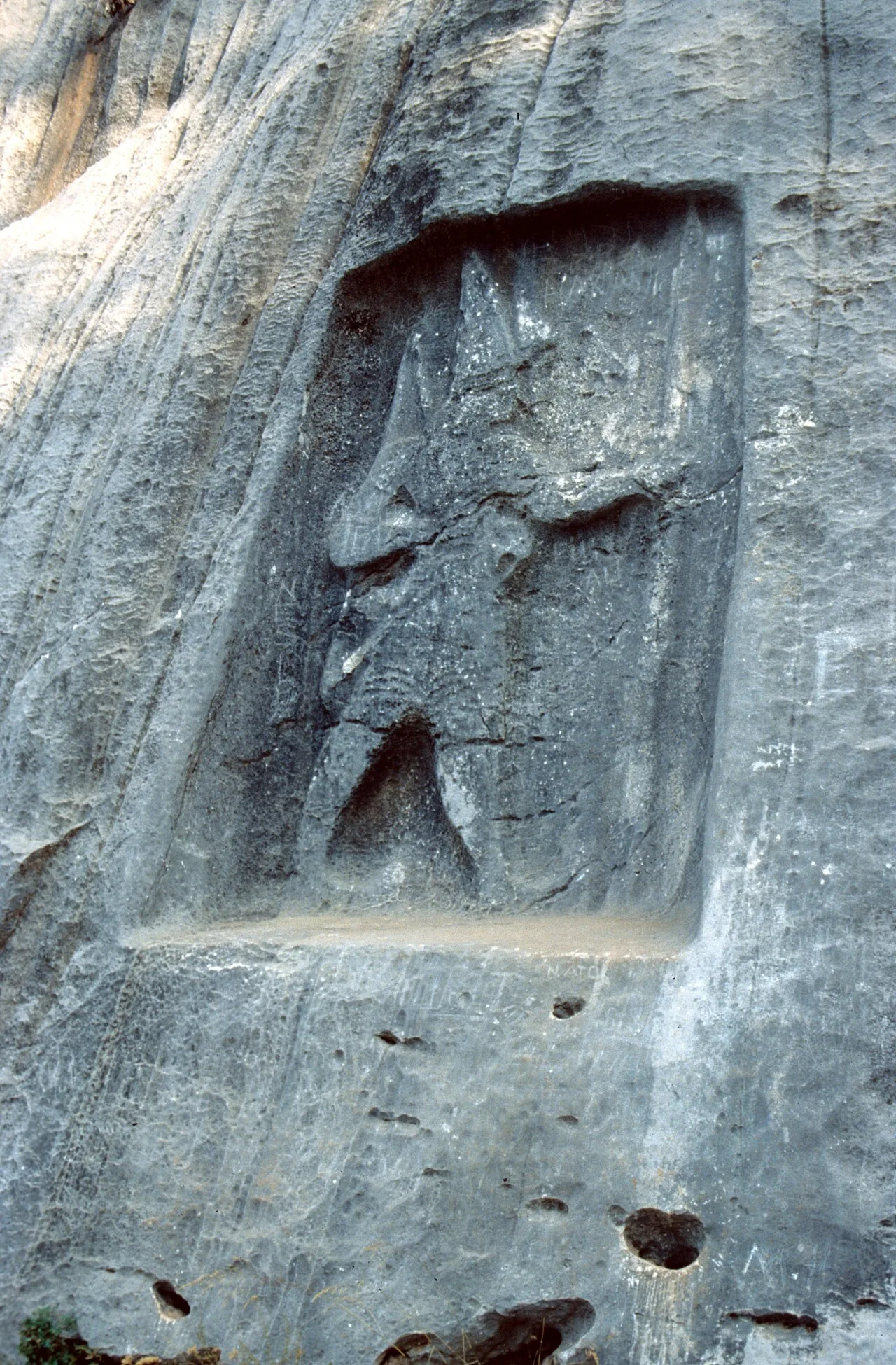
The Hittite / Luwian Karabel relief is a rock relief in the pass of the same name, between Torbalı and Kemalpaşa, about 20 km from İzmir in Turkey. Rock reliefs are a prominent aspect of Hittite art.
The monument originally consisted of four parts: two ruler figures carved into the cliff (Karabel A and B) and two inscriptions on boulders (Karabel C1 and C2). During the construction of a road through the pass between 1977 and 1982, all the reliefs except for Karabel A were destroyed. Karabel A shows a warrior marching to the right with a bow in his right hand and a spear in his left. There are Luwian hieroglyphs inscribed above his left arm. The relief is 1.5 m wide and 2.5 m high
The Karabel relief was damaged by unknown persons, presumed to be treasure hunters, in early 2019: a hole was drilled into the relief so that dynamite could be inserted and detonated.
Herodotus interpreted the figure as the Egyptian Pharaoh Sesostris. The relief was visited by the French traveller Charles Texier in 1839 – he published a description in 1862. After him, Karl Richard Lepsius visited it in 1840. Both accepted it as Egyptian. Heinrich Kiepert disproved...
This description is taken from Wikipedia and published under the CC BY-SA 4.0 licence. Karabel relief
Location and Access
Karabel relief is located in Kemalpaşa district, İzmir. Coordinates are 38.37056, 27.45597. You can get directions from the map below. You can request a licensed local guide for İzmir.
Places to Visit Near Karabel relief
 Museums
Ümran Baradan Museum of Fine Arts
 Religious Sites
Halil Ağa Mosque (Yukarıkızılca)
 Historical Places
Cumalı Mosque Fountain
 Historical Places
Danacı Fountain (Kemalpaşa)
 Religious Sites
Aşağı Mosque 1
 Historical Places
Palamutluk Bridge
 Historical Places
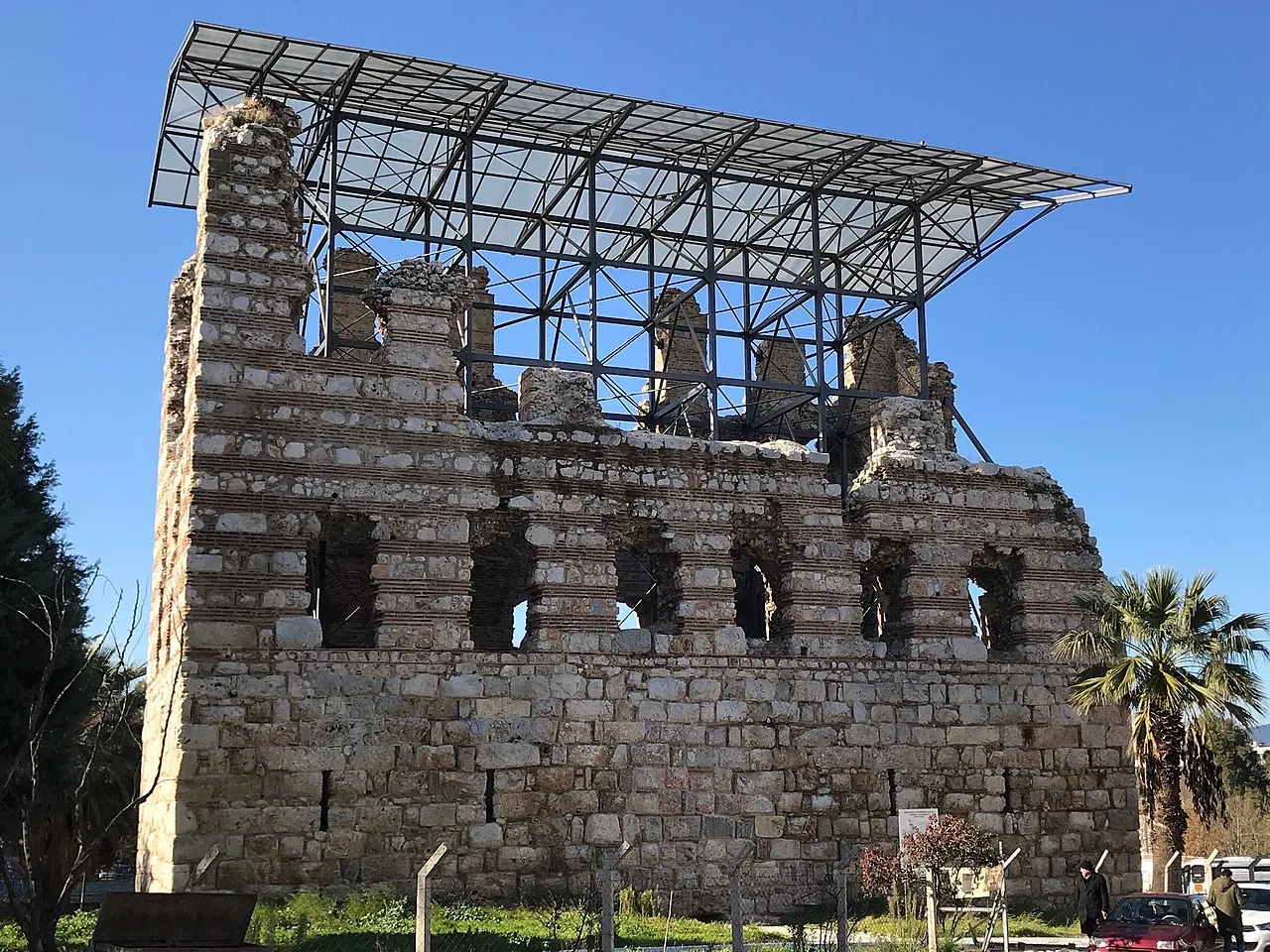
Nymphaion
 Historical Places
Old City Hall (Kemalpaşa)
Historical Places in İzmir
 Historical Places
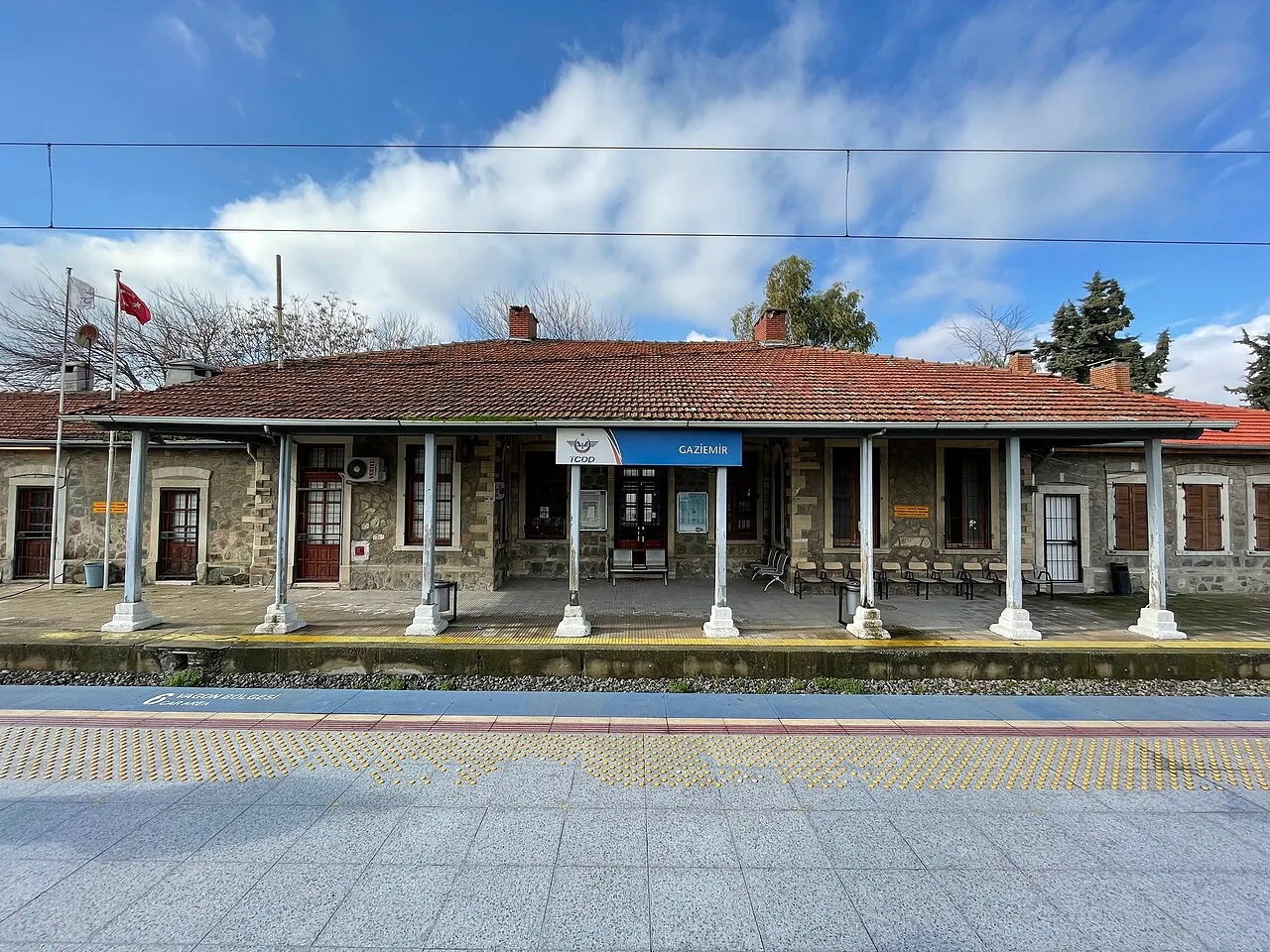
Gaziemir railway station
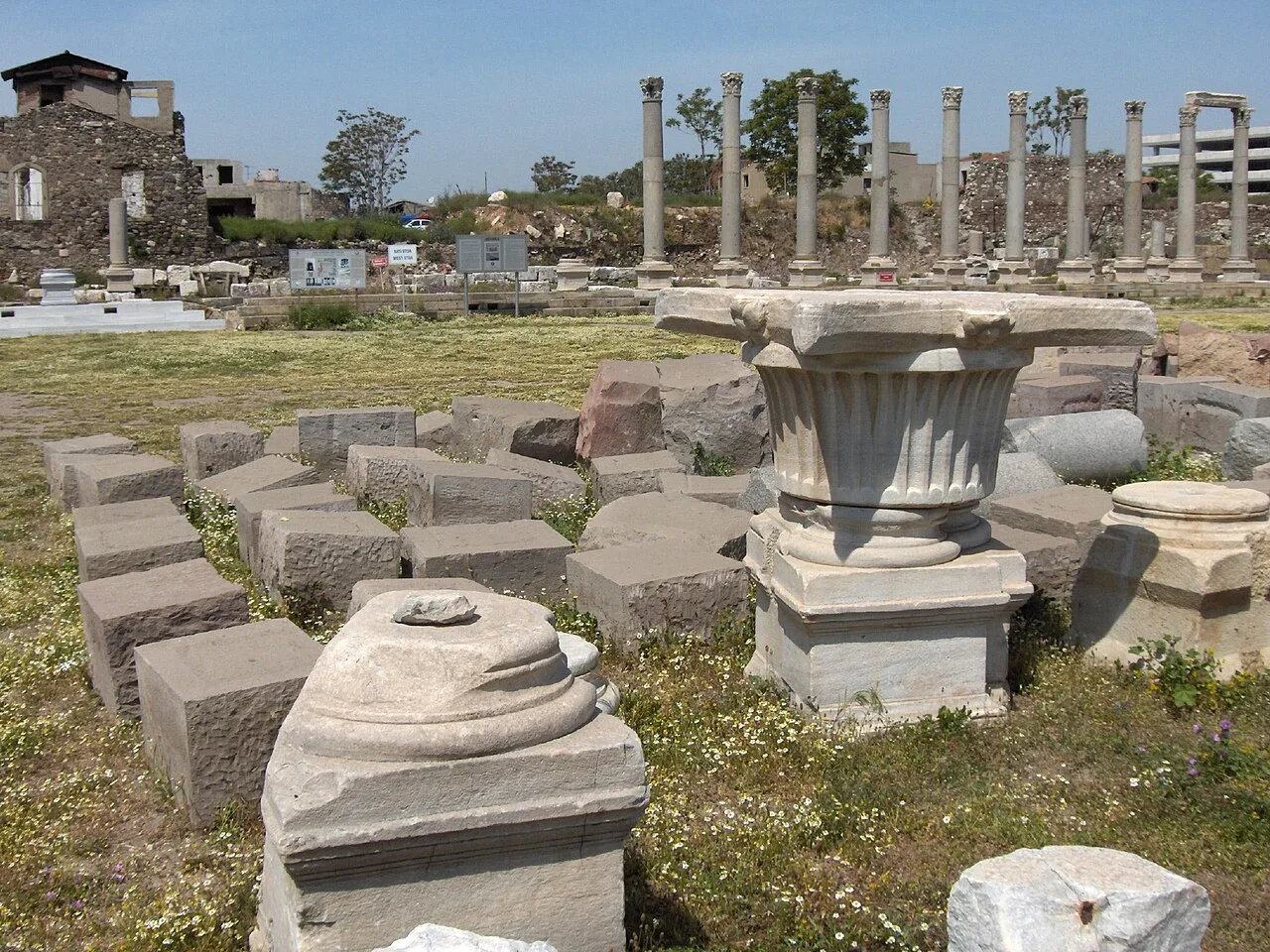 Historical Places
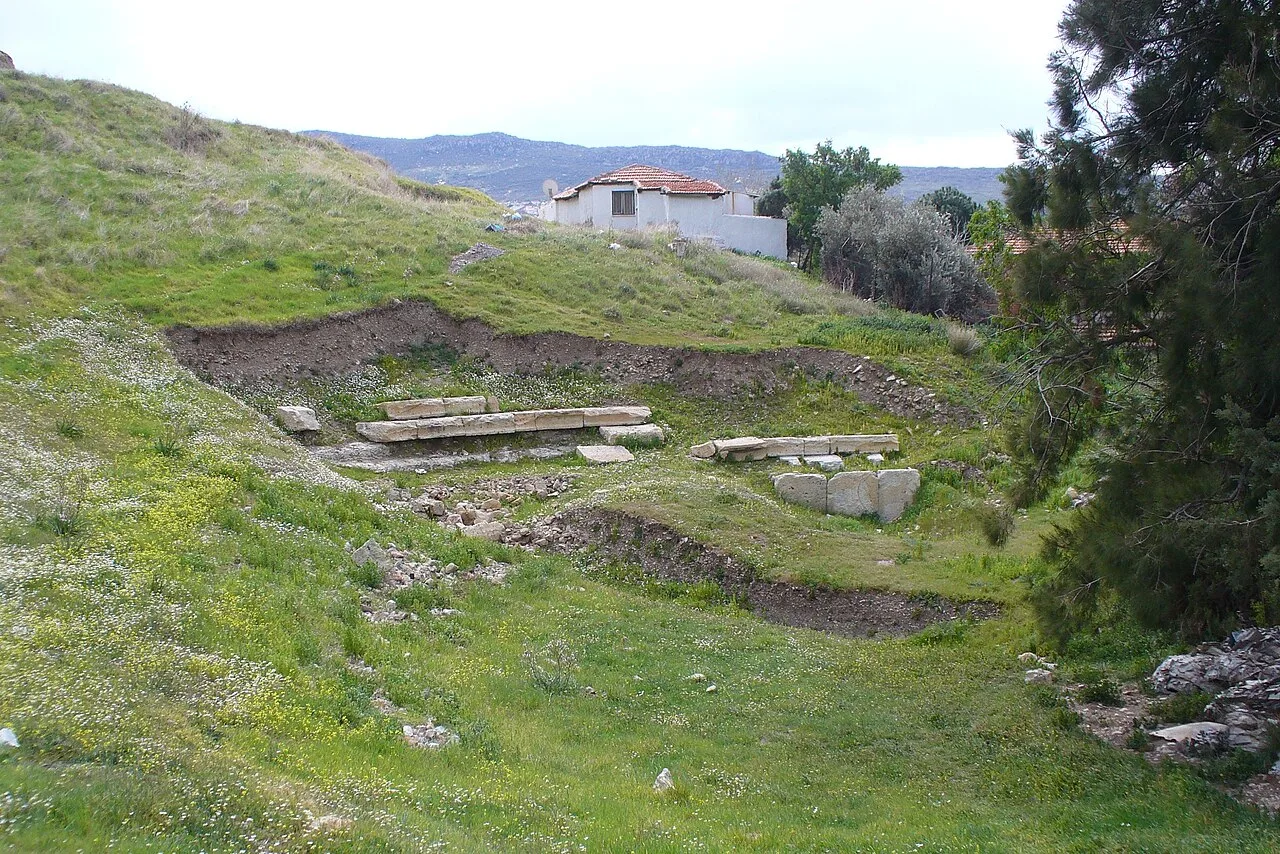 Historical Places
Phocaea
 Historical Places
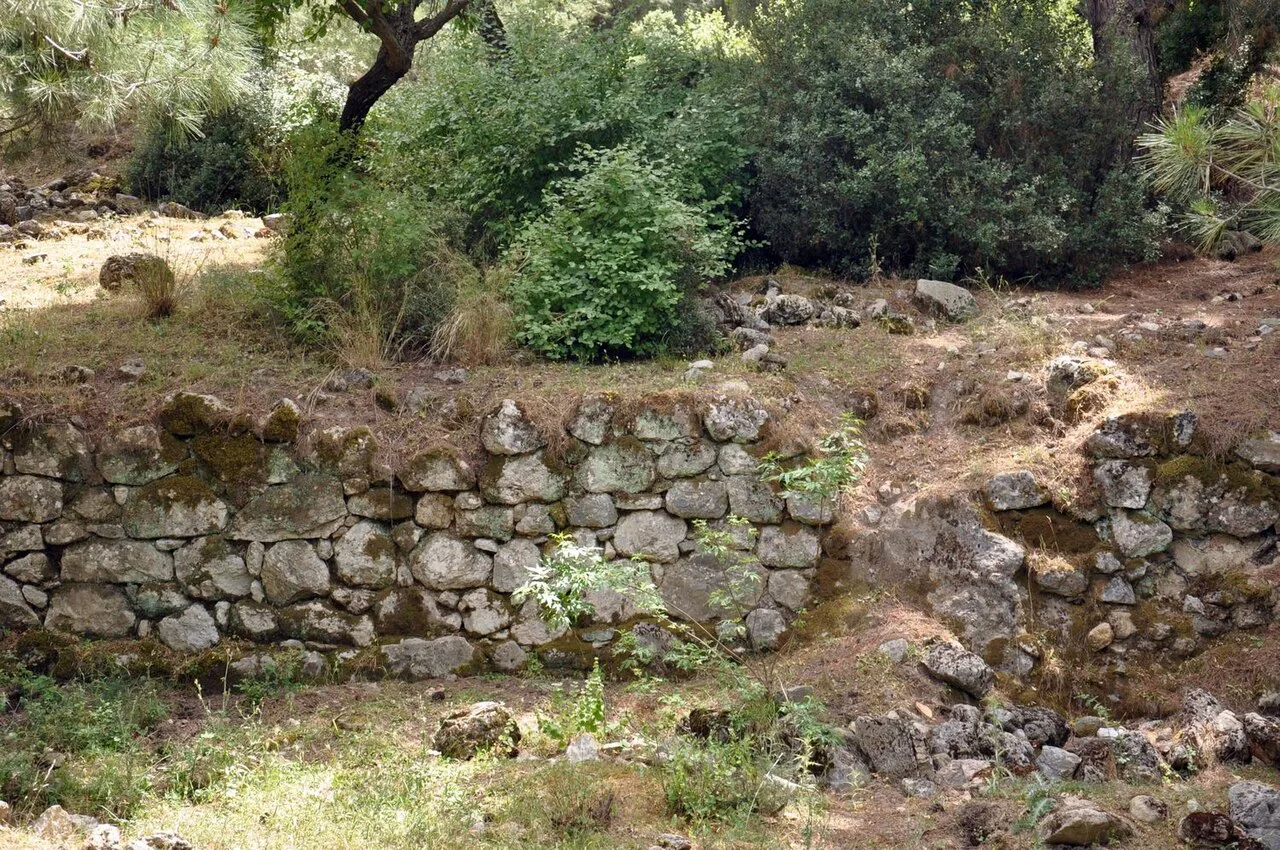
Colophon
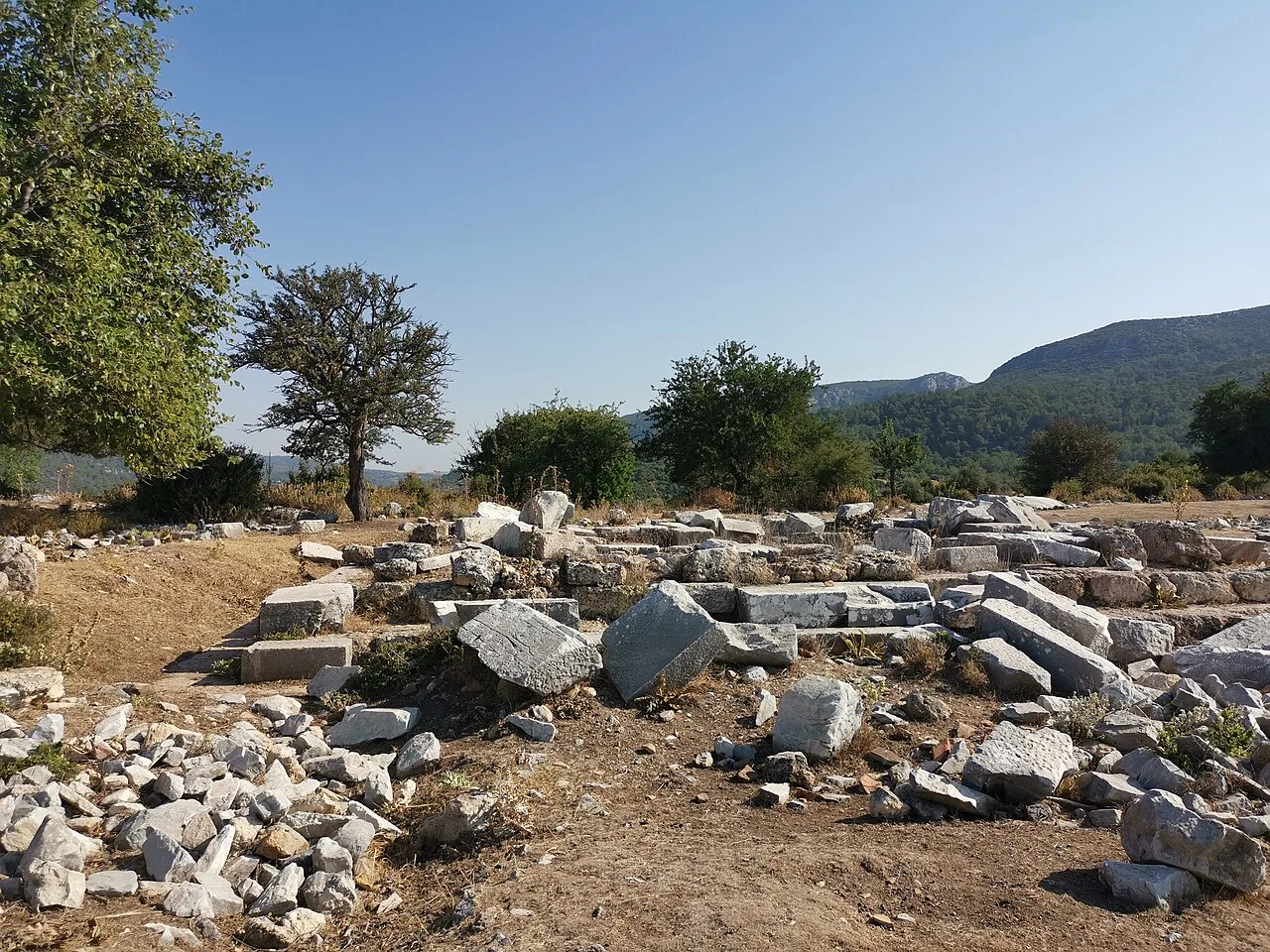 Historical Places
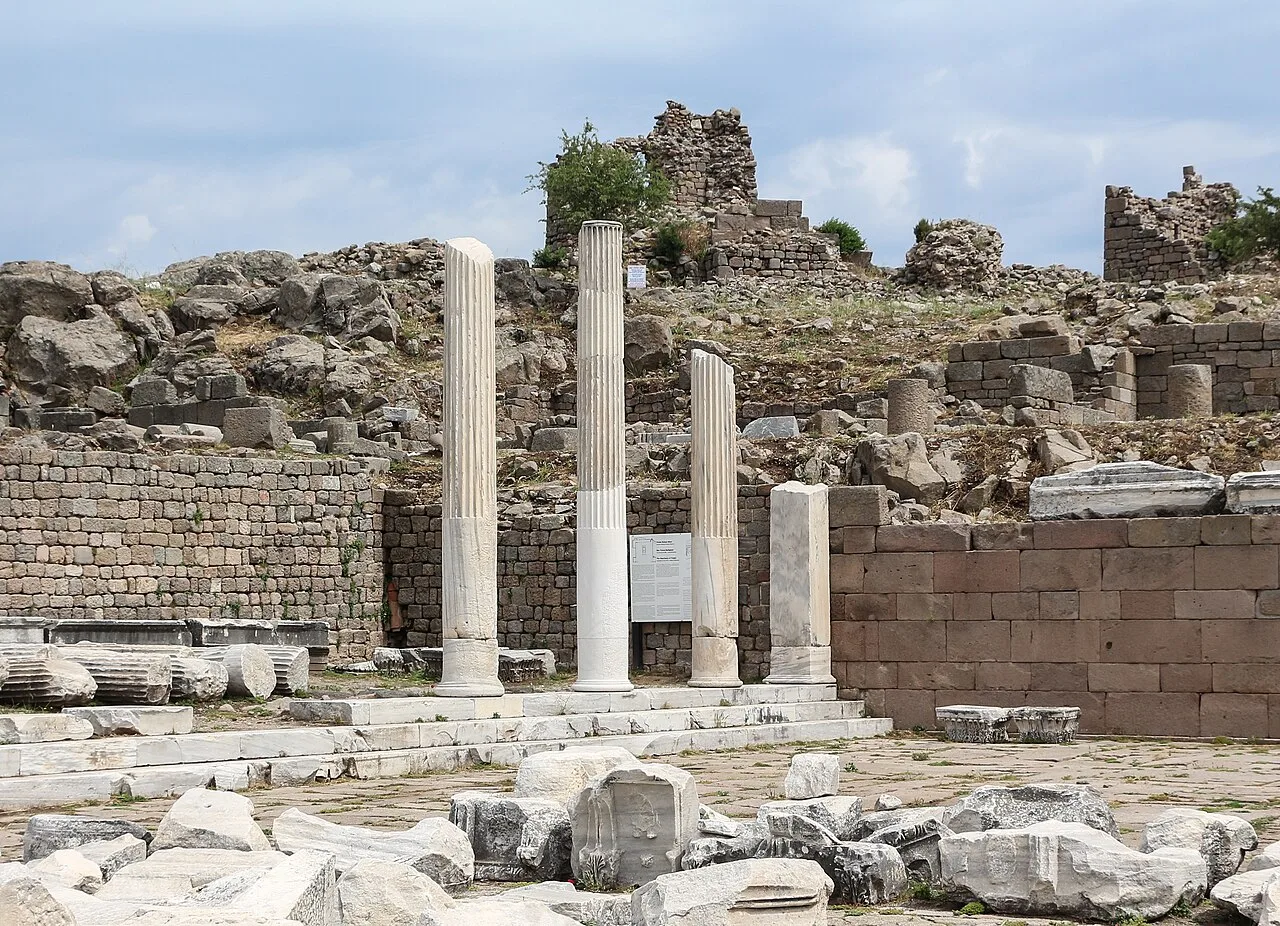 Historical Places
Pergamon
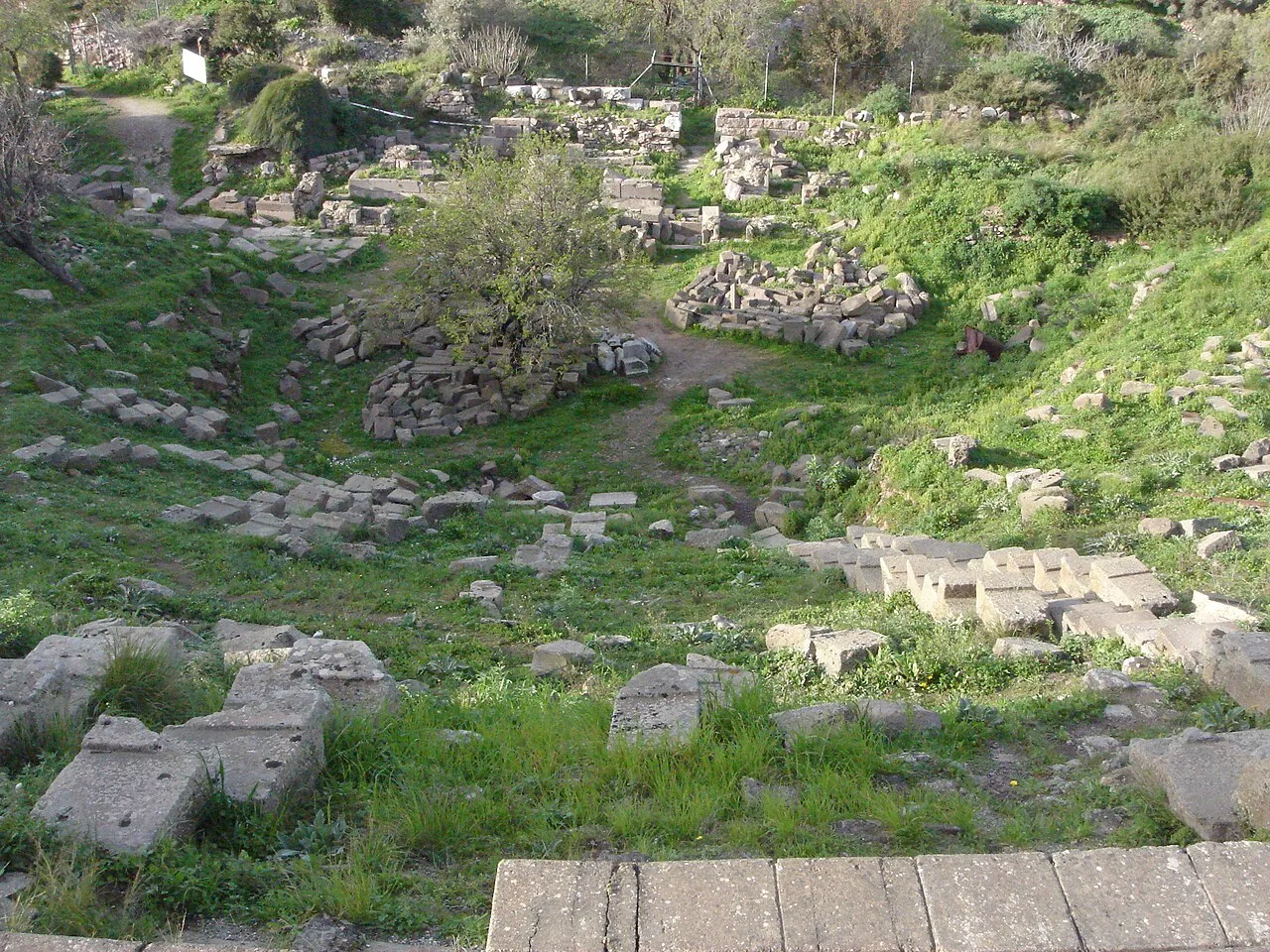 Historical Places
Erythrae
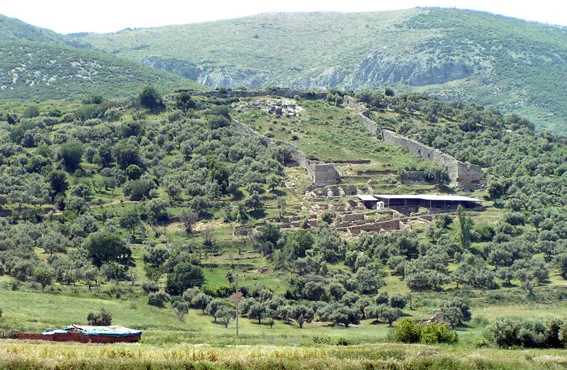 Historical Places
Metropolis
Frequently Asked Questions
Quick Facts
- Province İzmir
- District Kemalpaşa
- Category Historical Places
- Period MÖ 1300
- Coordinates 38.37056, 27.45597
Request a Guided Tour
Visit Karabel relief with a licensed professional guide in İzmir.
See guides in İzmir