Datça is one of the districts that gives Muğla its character, with seaside walking routes and boat trips shaping what visitors come to see.
Things to Do in Datça
Here are the places most visitors put first in Datça. Visiting times vary, and a guided tour takes care of that planning for you.
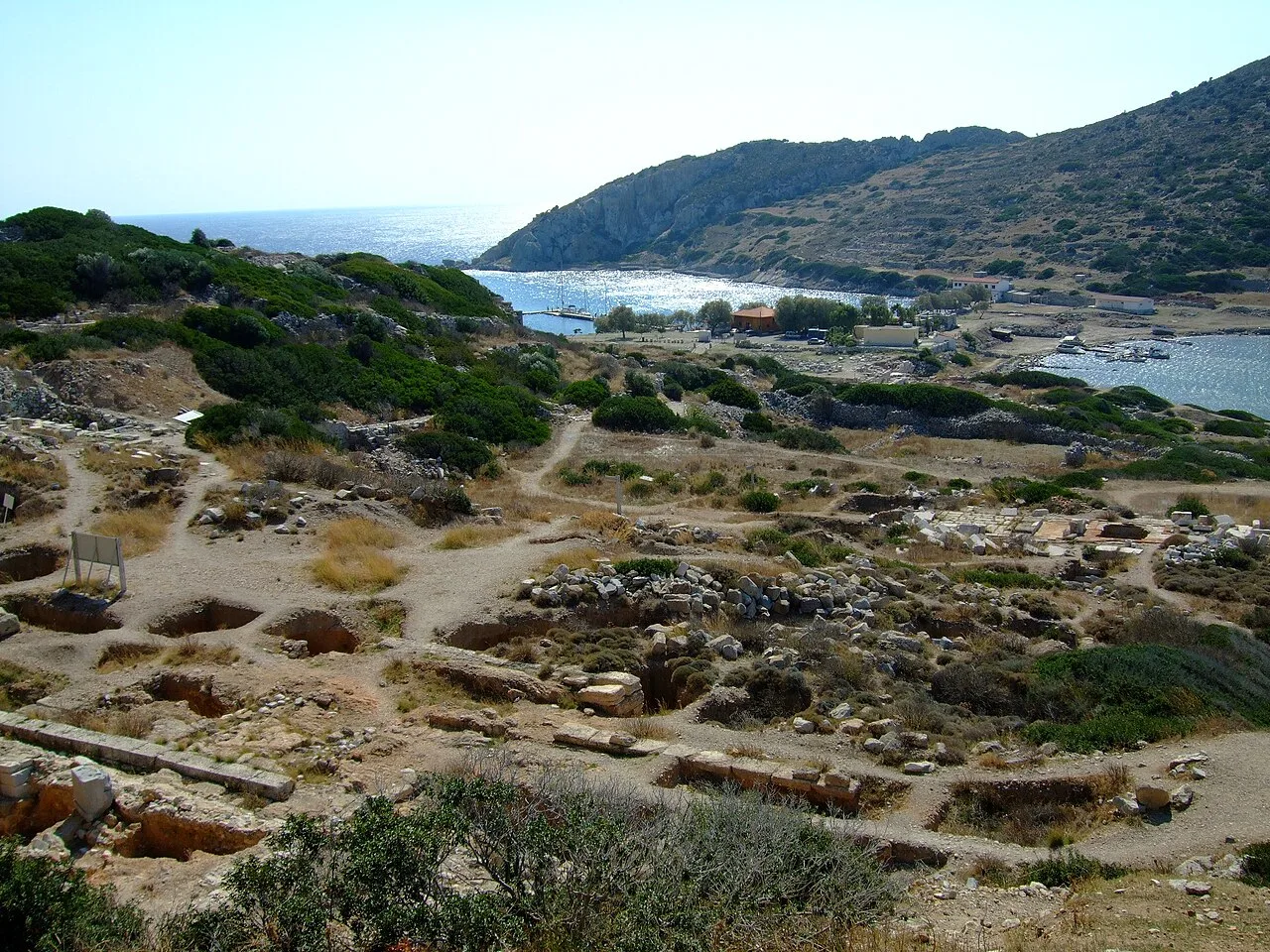
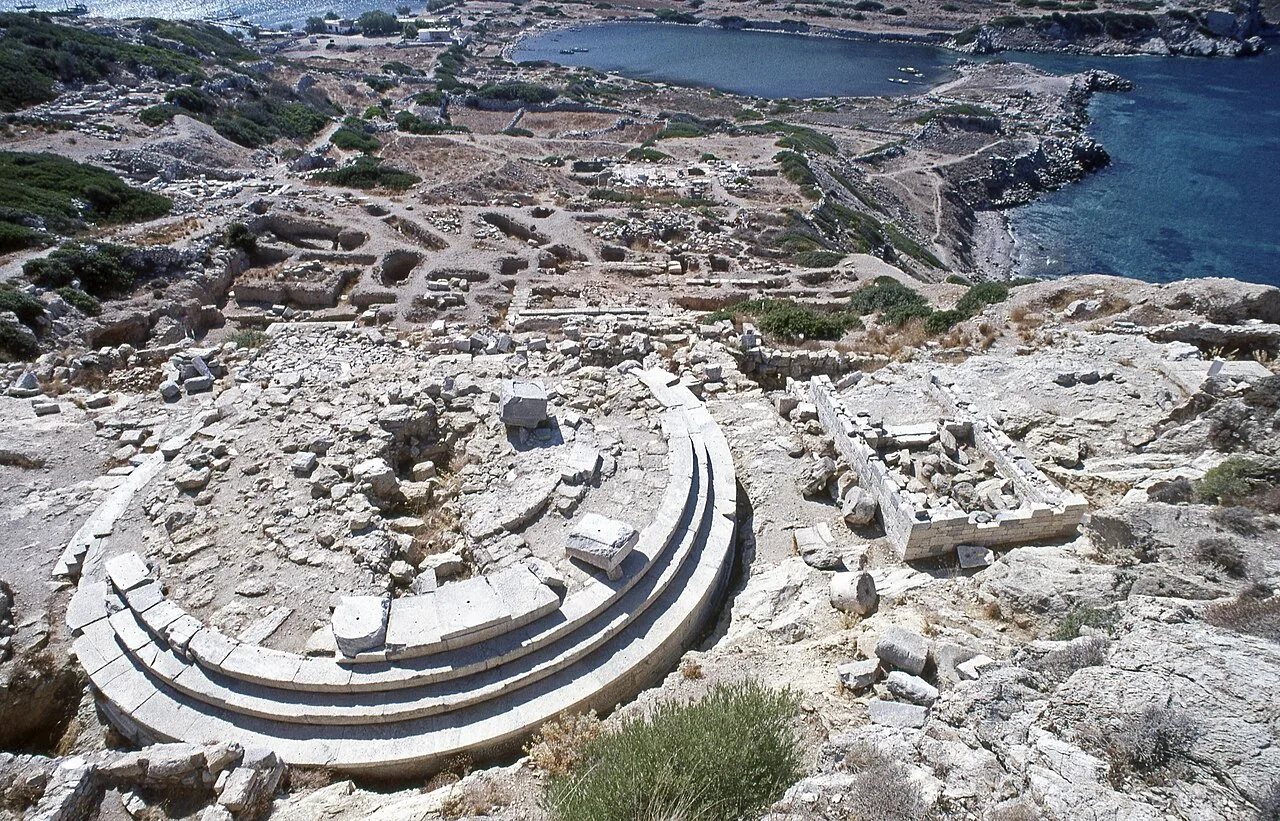
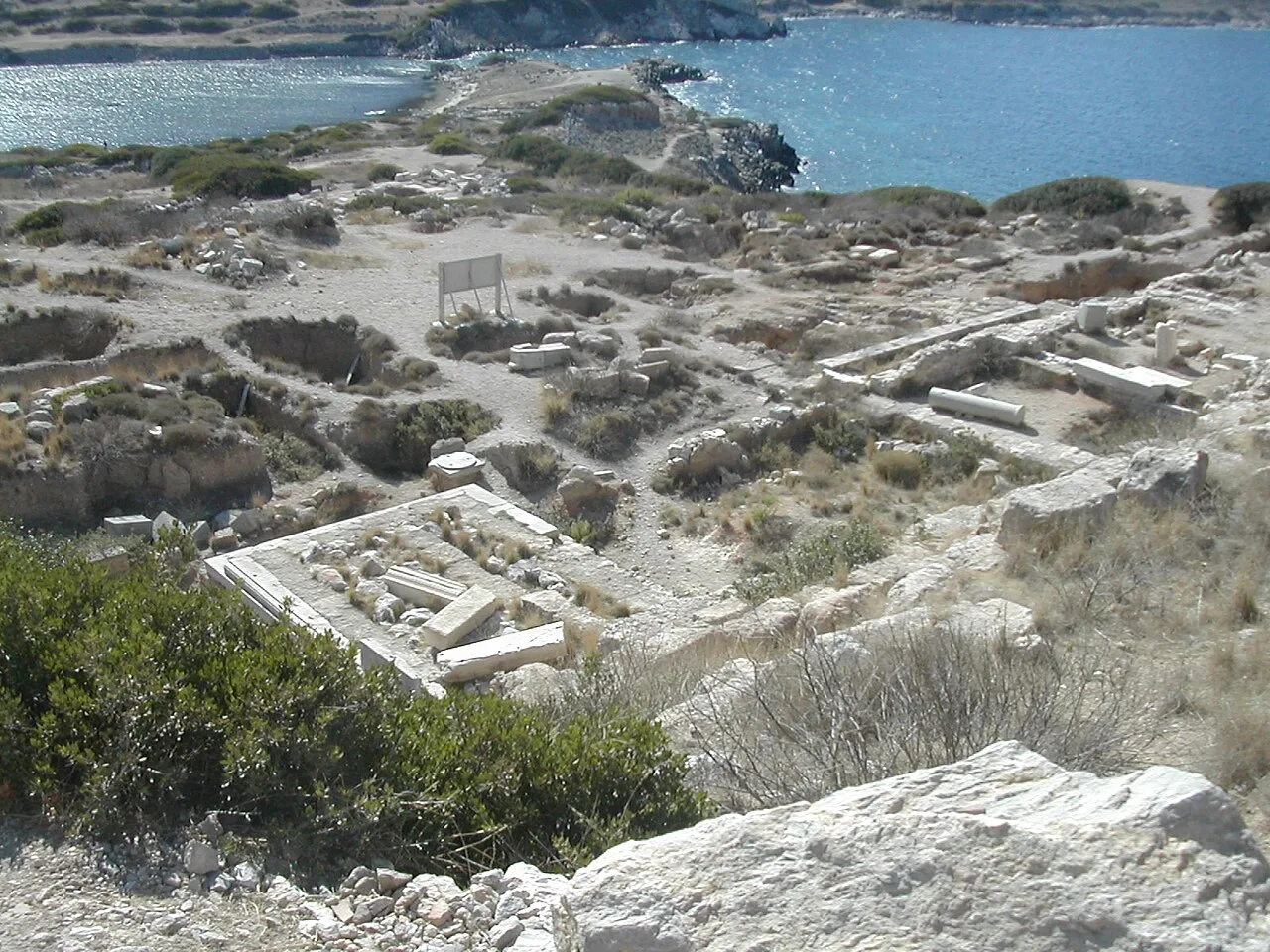
- Knidos Antik Kenti – reachable on foot and simple to slot into a wider itinerary.
- Eski Datça (Reşadiye) Taş Evleri – one of the first places visitors head for.
- Palamutbükü Plajı – worth a stop even on a short schedule, and far more interesting once the background is explained.
- Hayıtbükü ve Ovabükü Koyları – a stop local guides tend to have the most to say about.
- Datça Badem Bahçeleri – quieter early in the day; your guide will suggest the best hour.
Why a Guided Tour in Datça Makes a Difference
In a district with as much to see as Datça, the hardest part is time. A guided tour fixes the route in advance: which stop at which hour, how long to stay, where to eat. Less time lost on logistics means more time actually looking at things.
Travelling with a licensed guide also means accurate information. A fair amount of what circulates online about Datça is outdated or simply wrong. A guide working from reliable sources keeps the factual side of your trip in order.
Local guides do more than show the way. They know which sites get crowded, when the light is right for photographs, and which restaurant is genuinely local rather than aimed at visitors. In Datça those details shape the quality of the day.
Picking the Right Guide for Muğla Datça
- Specialism: history, archaeology, food, hiking and photography each demand different expertise. Match the guide to your interest.
- Licence: professional tourist guiding in Türkiye is a licensed profession. Confirm the guide holds a valid badge and current registration.
- Local knowledge: a guide who knows the routes, opening hours and seasonal changes in Datça will run a far more efficient day than a general-purpose guide.
- Responsiveness: a guide who answers questions quickly before the tour is usually well organised during it.
- Language: choose someone genuinely fluent in the language the tour will be delivered in — decisive if you are travelling with international guests.
Practical Notes for Visiting Datça
- Best season: June to September is the swimming season, but April-May and October are more comfortable for sightseeing, with fewer crowds.
- Suggested duration: A full day; two days for a wider programme
- Getting there: Datça is reached by road from the centre of Muğla, and transport can usually be included in a guided tour.
- Tour languages: English and Turkish as standard, with German, Russian and Arabic available on request.
Frequently Asked Questions
How long does it take to see Datça?
A half-day tour usually covers the main sites. If you want to see everything on the list at a relaxed pace, set aside a full day.
How much does a guided tour in Datça cost?
There is no single standard rate. The guide's expertise, the scope of the tour and the season all affect the price.
When should I book a guide for Datça?
Contacting a guide at least a week before your planned date leaves enough time to shape the programme around you.
What should I not miss in Datça?
Knidos Antik Kenti, Eski Datça (Reşadiye) Taş Evleri, Palamutbükü Plajı come first on most itineraries. Your guide can add the remaining stops depending on how much time you have.